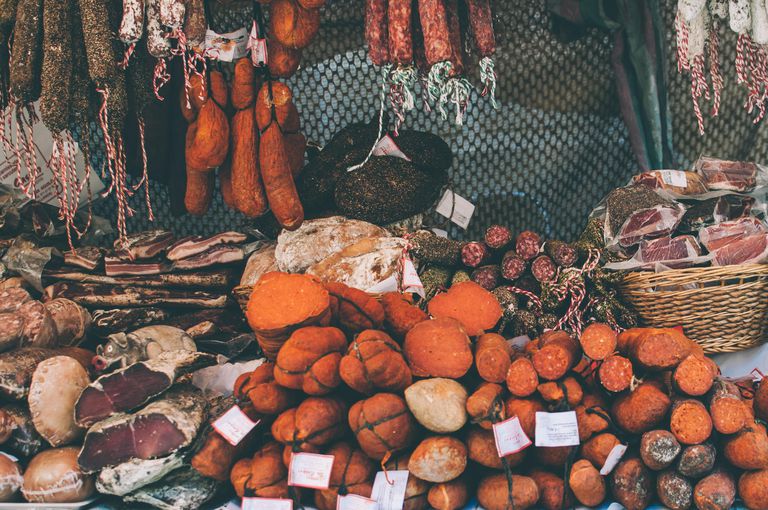
Got Meat?
The works of Massimo Montanari and Woolgar explained the process of food and food culture in the middle ages. The Roman nutritional ideology was built around a triad of products: bread, wine, and oil. These products symbolized a certain idea of a civilization bound in both the Greek and the Roman worlds, to agriculture as a means of production, which characterizes humans. Separating themselves from the world of nature and animals, humans have constructed their artificial existence by inventing techniques for exploiting the natural environment, which they ultimately transformed. Herding and hunting became activities of production, however, meat was slow to acquire high, completely positive standing because it was associated with a way of exploiting the land that was seen as more natural and ”less civilized.” People who lived primarily on hunting, making the meat the core of their diet, was there for seen as “uncivilized”. Eventually, those “uncivilized” and “barbarian” people conquered the lands and became the rulers of the new Europe. Due to their power, their alimentary ideology gave meat primary status and became apart of the normal diet.
“Among all the things that nourish man, meat is the one that nourishes him the best, fattens him and gives him strength.”
– Aldobrandino da Siena (13th century)
Meat is the best food suited to human nutrition and the best of the tastiest of foods. In this complex matter of food, the social image and political image played an important role in the medieval culture that was associated with the consumption of meat. If meat was the ideal strength-giving food, then it was the ideal food of power by an implicit exchange between the two, which medieval culture took for granted. Meat is the food of the warrior, who builds up his strength, thereby justifying his right to command. Little by little the consumption of meat became socially diversified, above all, in terms of quantity. Peasants always ate less of it. Meat became the symbol of the “lifestyle of nobility.”
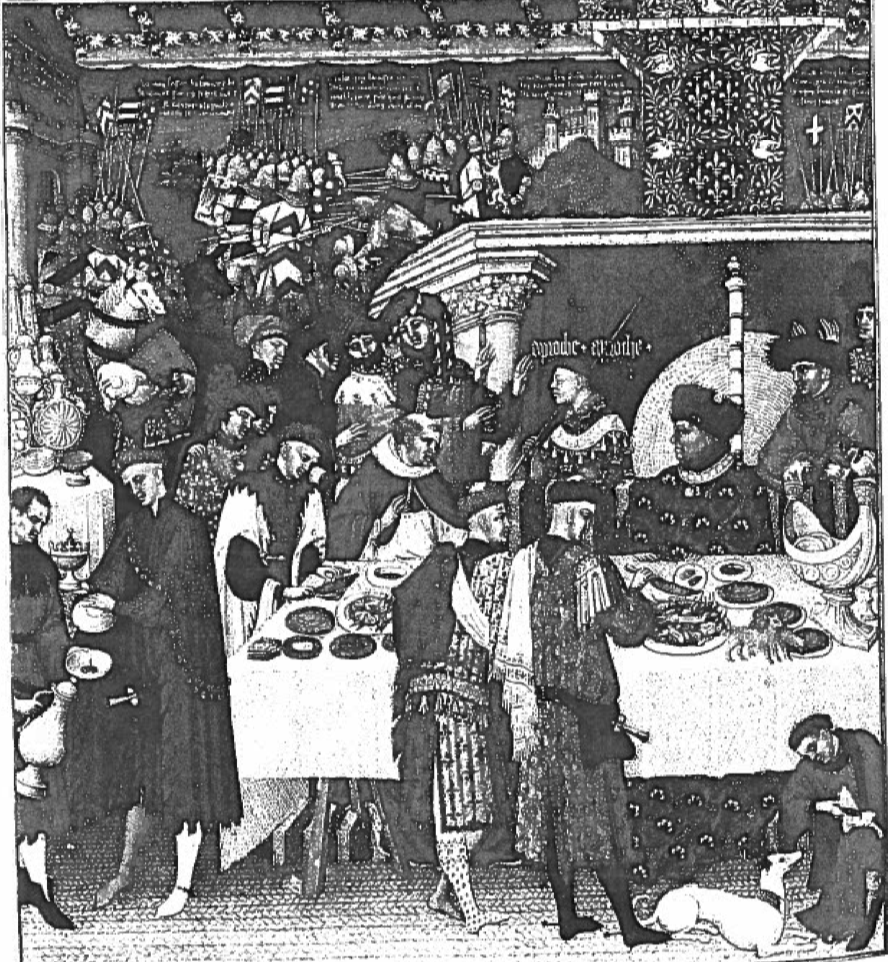
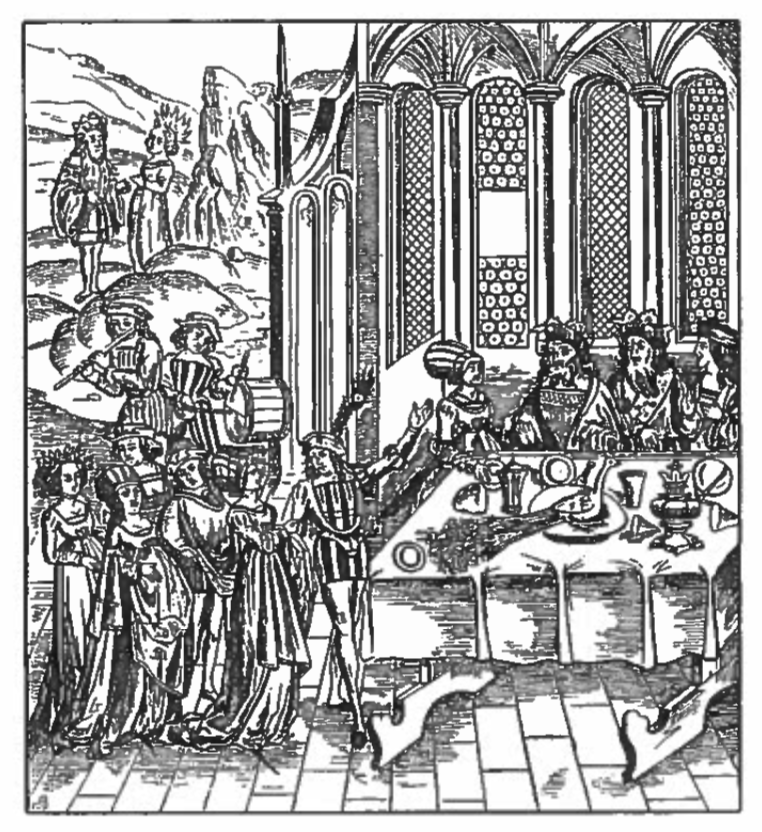
The spread of Christianity played a notable role in cooperating “fish culture” in the middle ages. The church introduced the obligation to abstain from meat for a certain number of days during the week and the year, also through a tradition known as Lent. The church required this practice of humility that placed the needs of the spirit above those of the body, denying the body its specific nutrient for the purpose of “loosening ties” with the physical world. It was, therefore, necessary to find alternative foods for those days and periods of the year. Fish has always been eaten, out of need or choice, but on the whole, the collective imagination has always regarded it with diffidence. Fish became a symbol of humility, renunciation, and mortification, but remained a product not easily found and not easily transported or preserved. For this reason, fish became a luxury product. Fish was labored to achieve a positive nutritional value. It was eaten and even abundantly, but culturally it remained a surrogate for meat.
Woolgar: Feasting and Fasting: Food and Taste in Europe in the Middle Ages
 kaiusrootz