-Paʻakai-
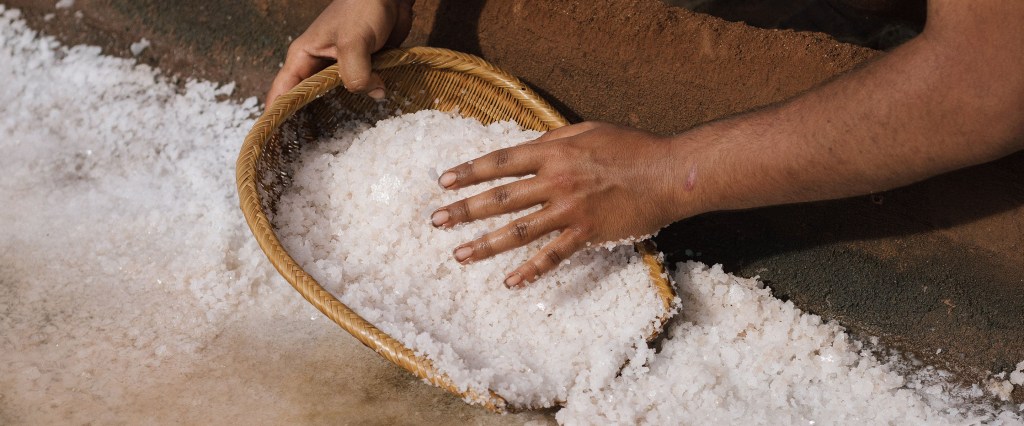
Throughout the 1800s and well into the 20th century, salt farming actively took place on all the islands. Hawaiian language newspapers and land documents evidence the extensive practice. Many places enjoyed the benefits of salt as a commercial product, as research shows salt widely exported by Hawaiian Kingdom citizens to America starting in the 19th century. Yet, over time, the commercial practice was impacted by industrialization. Many of the salt works lands were lost or sold off.
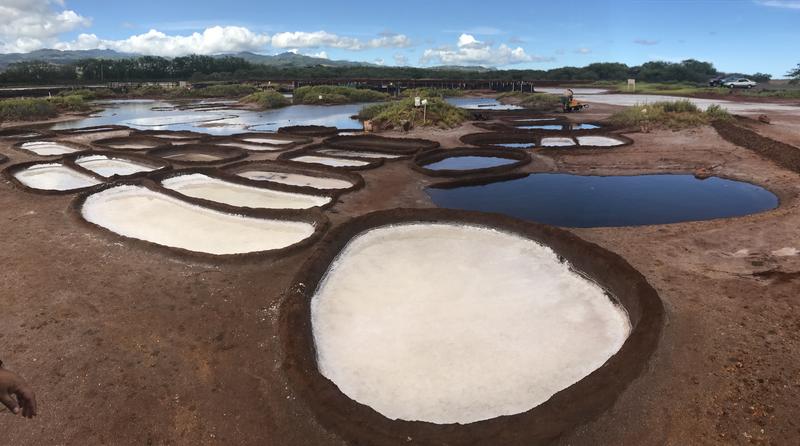
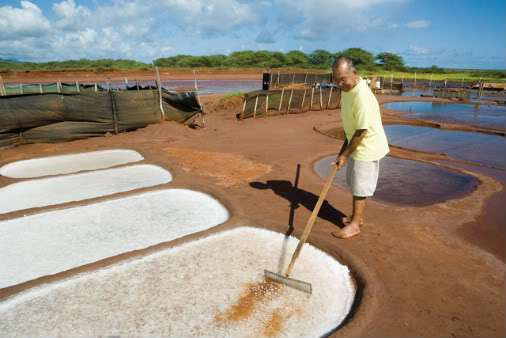
Today, salt is actively gathered in very few places. Only Hanapepe traditionally cultivates it, as it has for generations, through the use of Hawaiian salt beds. Now this last bastion of traditional pa‘akai (salt) is threatened by the steady growth of the nearby Port Allen Airport, which opened adjacent to the salt beds in the 1920s.
Airport lessee Smoky Mountain Helicopters, doing business as Maverick Helicopters, operates a number of facilities at the airport that were built without the proper permits. A 2005 Special Management Area Permit issued by Kauai County required the removal of “all temporary structures (sheds, shipping containers, etc.) associated with Inter-island Helicopter’s operation.” Not only was that requirement never fulfilled, but additional structures were built on the property.
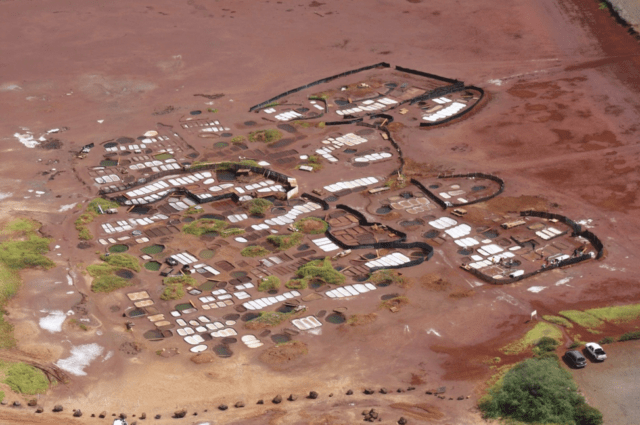
The Delaware company, which operates across the United States, now seeks permits after the fact for its activities, much to the changing of the neighboring pa‘akai practitioners. The company says through its attorney that its activities do not impact the salt making, but practitioners say the dust and noise from the airport operations, particularly the helicopters, does adversely impact the cultural practices that have been going on there for centuries.
The site is listed on the Hawaii State Inventory of Historic Places, and under state and county regulations, applicants are required to consult with practitioners and stakeholders about potential adverse impacts to the resource.
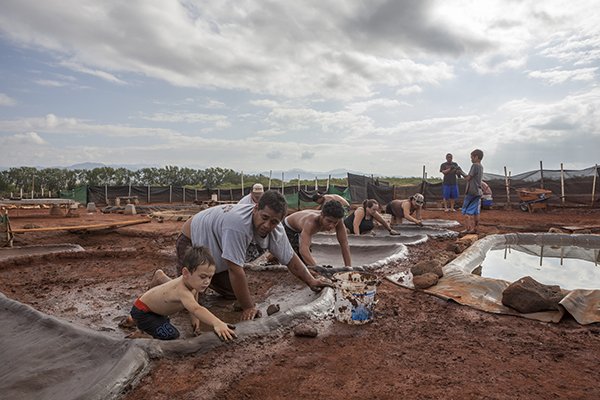
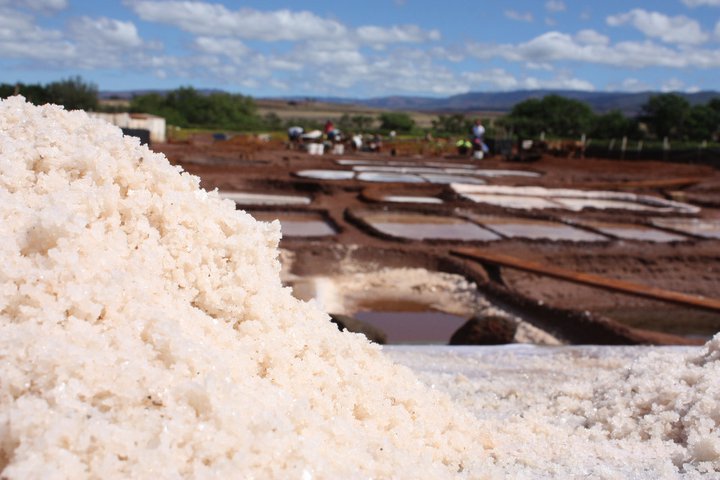
Practitioners fear that if the permits are granted, the county may seal the fate of their cultural practice. Families have been dealing with a wide range of issues in the area for years. Ku‘ulei Santos, vice president of the group “Hui Hana Pa‘akai”, created an online petition where the public can sign in support of the practitioners’ opposition to the permit applications.
Pa‘akai farming is not simply about a historic and cultural site, but the ongoing indigenous pedagogical opportunities that come with a living tradition. The protection of sites and resources are only part of our island communities’ obligation to the care of these storied places. We are equally obligated to ensure that traditions are being passed down and perpetuated. The Hanapepe Salt Ponds are one of the most important cultural sites in Hawaii, as they are the largest and most enduring site of traditional teaching and cultivation for Hawaiian salt. Cultural loss is not only about the loss of resources but the loss of practice. So much of the knowledge of our ancestors have already been lost that we must, with great dedication and conviction, protect the practices that still live in us today.
 kaiusrootz