‘Ulu is the traditional variety of breadfruit grown through the Hawaii archipelago for centuries. It was one of the ‘canoe plants’ brought by early Polynesian settlers from the Society Islands to Hawaii centuries ago. There are numerous chants, proverbs, and legends about breadfruit.
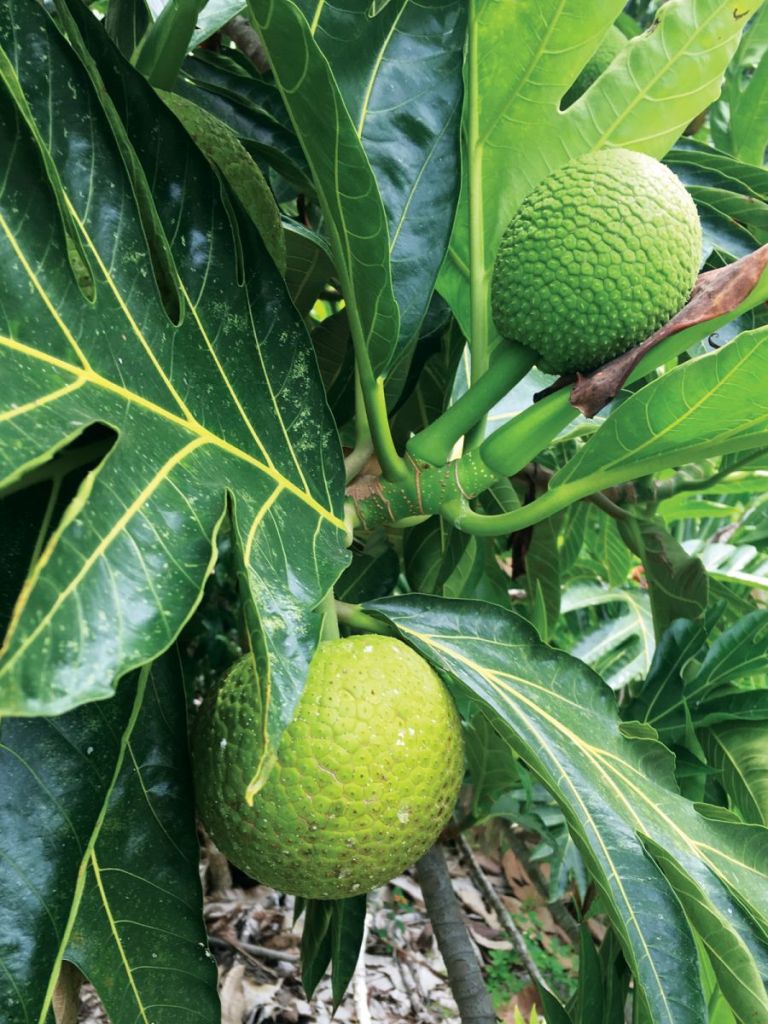
In one famous legend, the god Ku, fell in love with a human woman, married her, and raised a family. During a time of terrible famine, he transformed himself into a breadfruit tree to feed his family. The small root shoots that grew from the tree were spread to family and friends and the source of all ‘ulu trees in the islands.
ʻUlu trees are vegetatively propagated from root shoots. The long-lived perennial trees that can thrive for decades. Its cultivation and use are exemplars of sustainable agricultural systems. The trees are easily grown and managed as a backyard tree and can be interplanted with a wide range of plants (e.g., bananas, taro, citrus, vegetables, etc.), on farms and even small yards. The trees require little attention or care, producing an abundance of food with minimal input of labor or materials.
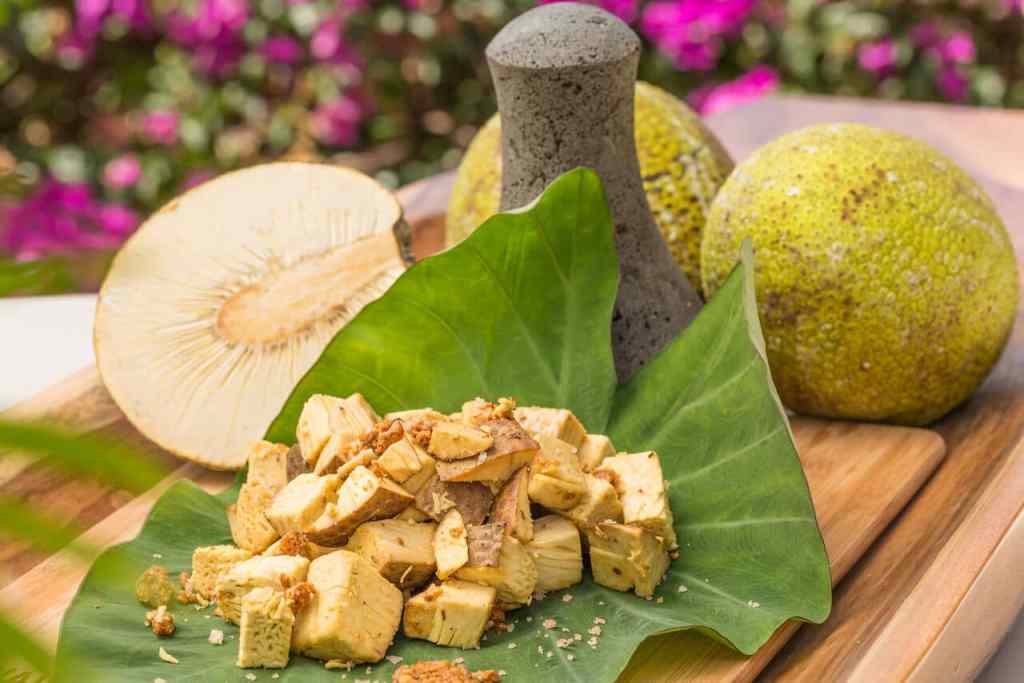
ʻUlu is considered a superfood not only because one fruit feeds an entire family and there’s enough fruit on the islands to feed the whole population, but due to its nutritional value. It’s sometimes called the tree potato for how versatile it is in cooked dishes and for how it tastes when it’s mature. But it is higher in protein, fiber, vitamins, and minerals than white potatoes.
There are many nutrients packed into one fruit. ‘Ulu is loaded with:
- Antioxidants
- Carotenoids
- Fiber
- Iron
- Magnesium
- Niacin
- Omega 3 fatty acids
- Omega 6 fatty acids
- Calcium
- Copper
- Phosphorus
- Potassium
- Thiamine
- Protein
- Vitamin A
- Vitamin C
The traditional Hawaiian methods for preparing breadfruit are to roast the fruit in a fire until the skin blackens and chars or cooking it in an imu (a deep, covered pit lined with fire-heated rocks) and then peeling and eating it. The mature fruit was also peeled, steamed or boiled, then pounded into a version of poi called ‘ulu pa’i ai. This versatile fruit can be eaten at all stages of development. Hawaiian ‘ulu has a dense, firm texture and a mild, subtle flavor at the firm, mature, starchy stage when it can be used much like a potato. At the immature stage, when small and green and cooked as a vegetable, it resembles artichoke hearts in flavor. When soft and ripe it is sweet and custardy and can be eaten raw or prepared into desserts and beverages. ‘Ulu made significant contributions to food security and agricultural sustainability in Hawaiʻi for centuries. Besides produced an abundance of nutritious food for human consumption, excess fruit and waste (skin and cores) were fed to pigs and to fish in extensive traditional fishponds. These animals were important components of the ancient diet, providing valuable sources of protein and fat, as well as supplying animals for tribute and to acquire prestige.
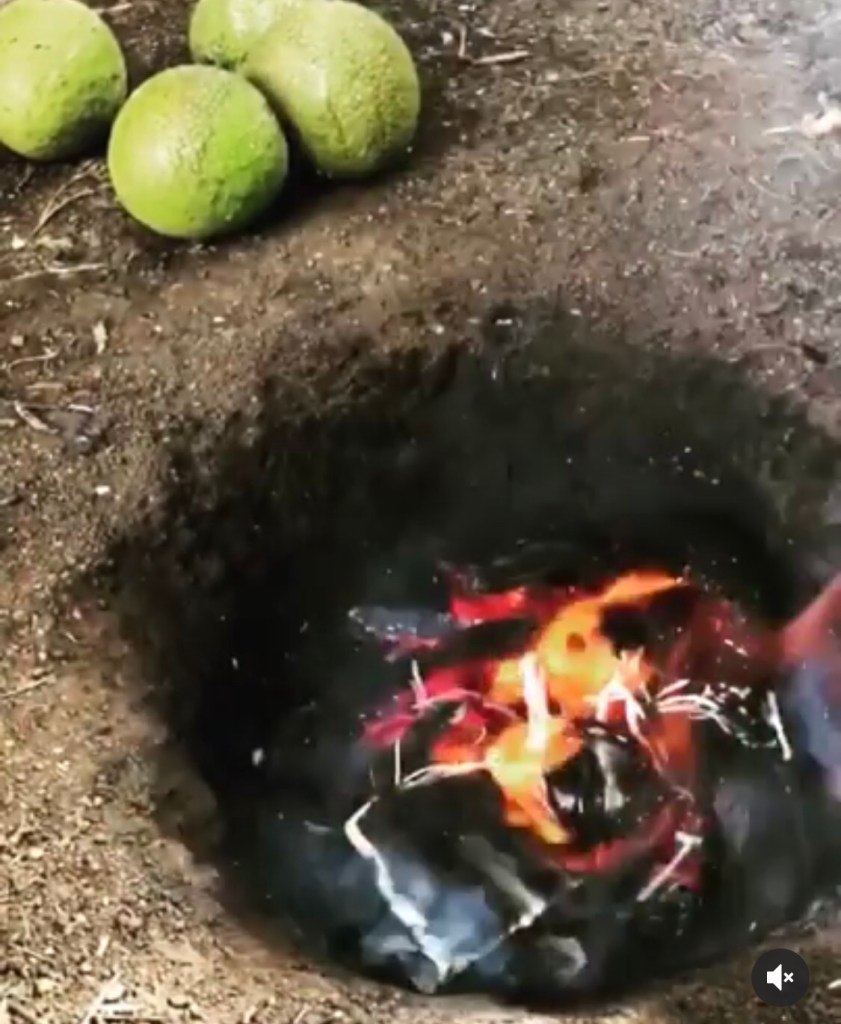
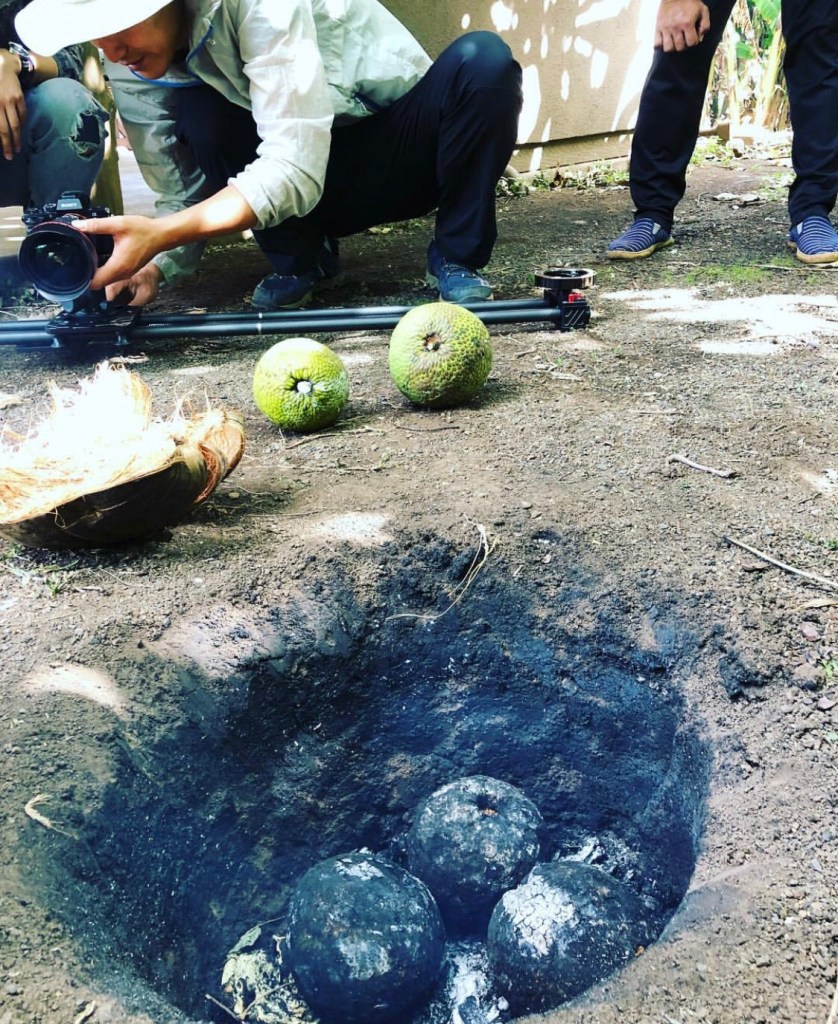
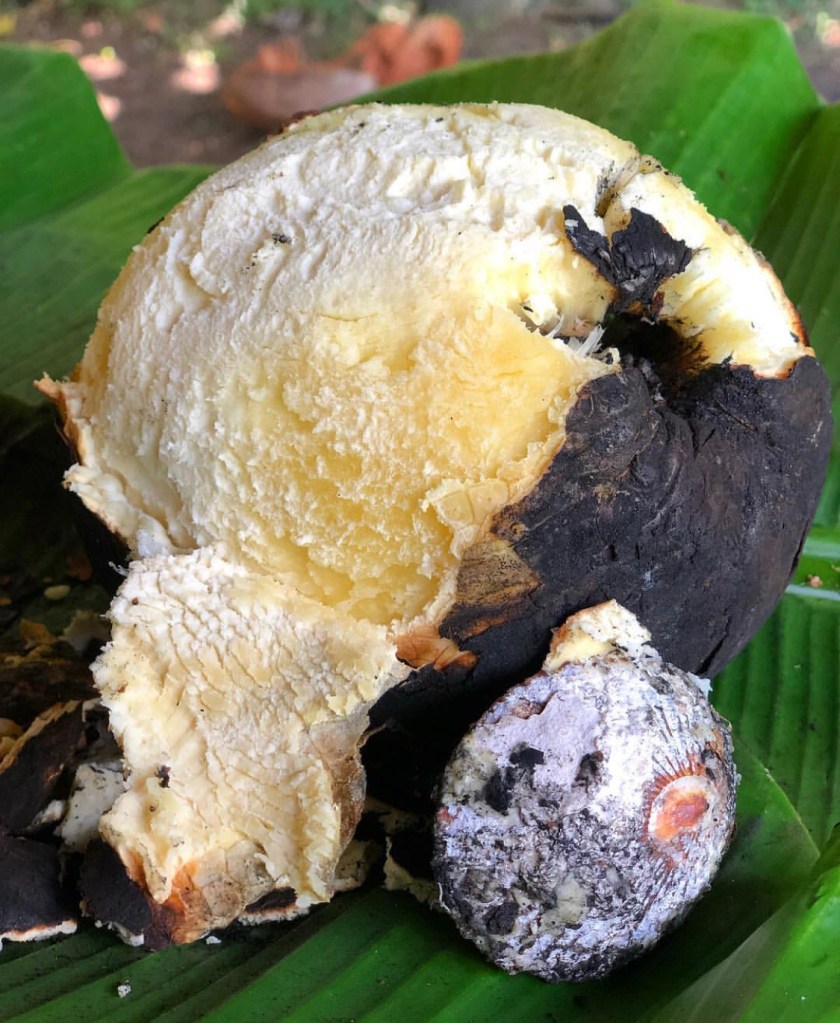
When it’s green and hard, it tastes like an artichoke. When it’s mature, it tastes and cooks like a potato or other root vegetables. When overripe, it’s sweet and is enjoyed like fruit or dessert. It can be eaten in the raw state or steamed and pounded into poi or added to desserts and drinks. It can be fried, baked, or made into a gluten-free flour. In Hawaiʻi, the traditional method of cooking is by roasting the fruit.
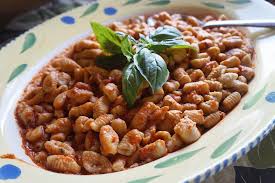
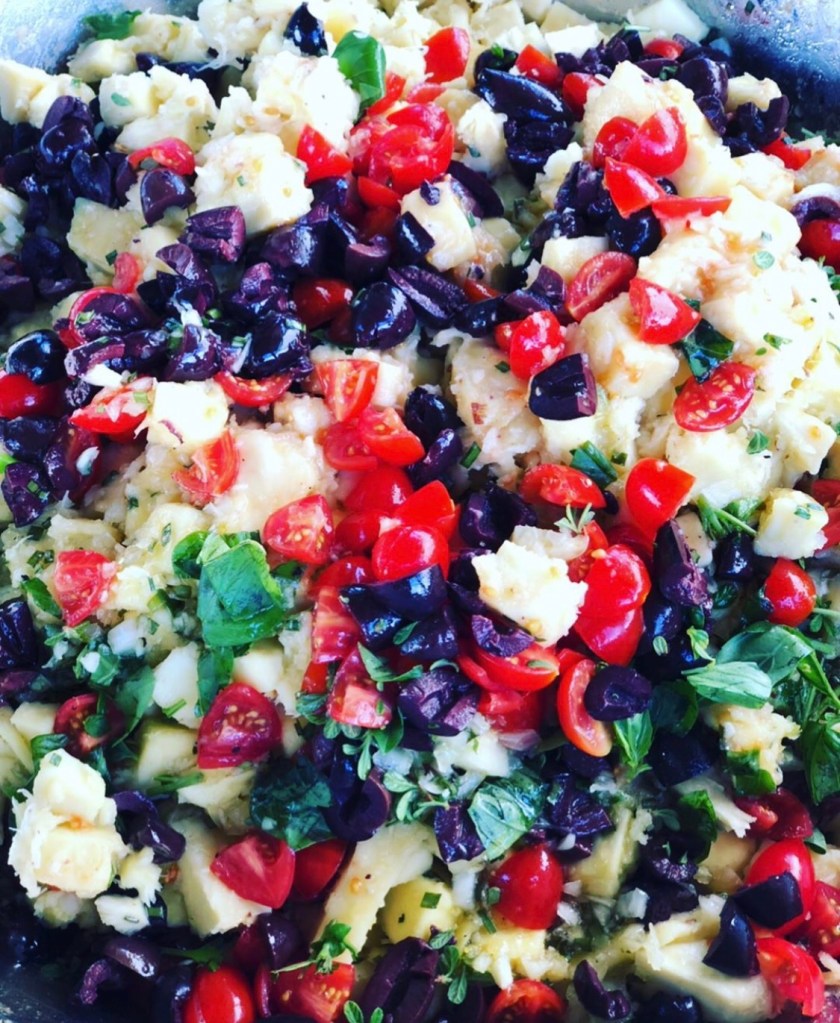
You can use it as a healthier substitute for potatoes in your homemade dishes. At the size of a small basketball, this green-colored fruit can be made into pancakes, stews, soups, salads, casseroles, bread, and dips. It can be formed into vegetarian burgers. It can be marinated or pickled or used in curries. From making it into a dough and rolling it out for pizza, pasta, and tamales to peeling and eating the raw fruit, ‘ulu is a versatile superfood. It’s used for other purposes, such as an insect repellant, in waterproof caulking, chewing gum, to make clothing, and as a nutritious option for animal feeds.
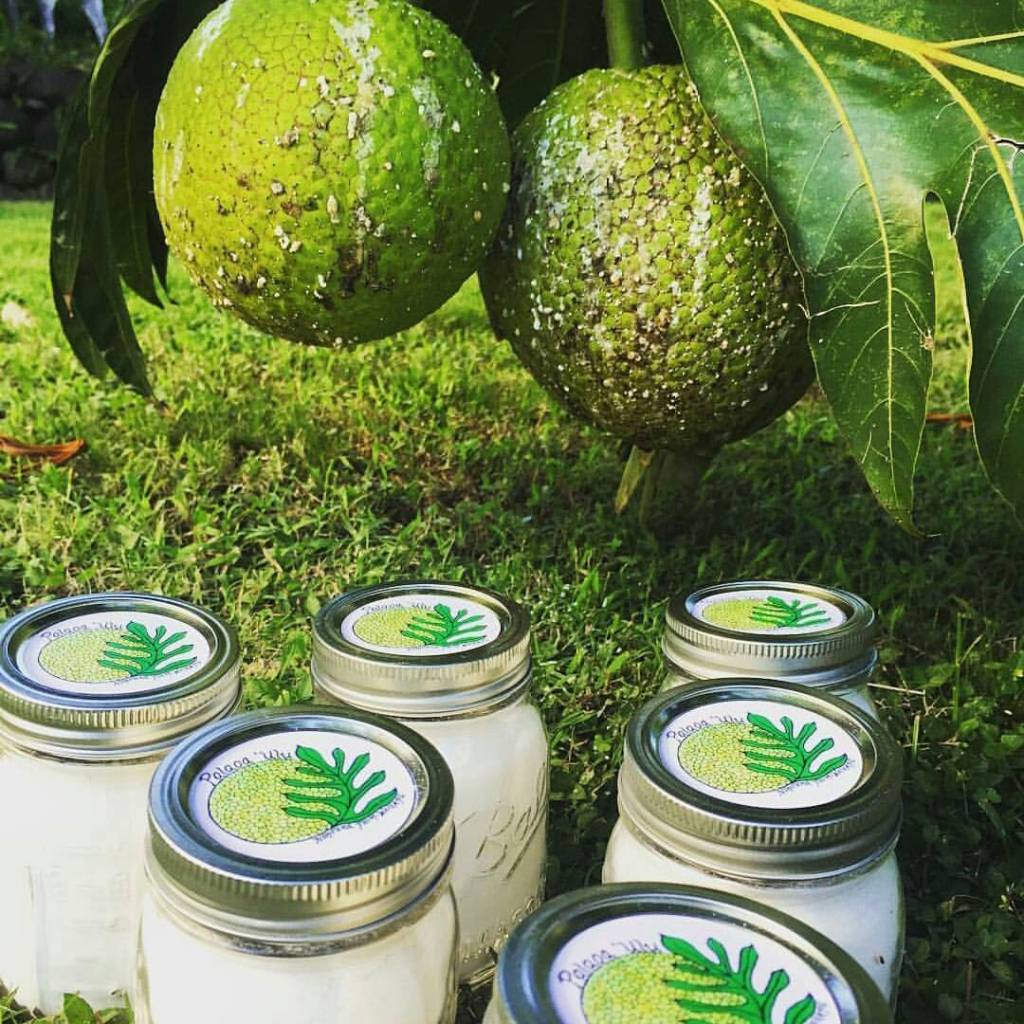
‘Ulu trees are still found in all, if not most of the areas of Hawaii where it was historically grown, though only scattered trees remain. For example, a proverb about the area Lele, in what is now known as Lahaina on Maui, talks about the shady groves that covered the area. Today, only a few majestic trees are left, the offspring of those ancient groves. ‘Ulu cultivation and use has declined over the past century, but remains an integral part of the diet in many communities. ‘Ulu is receiving renewed interest amongst many Hawaiians and other residents in both rural and urban areas who are looking at increasing cultivation and use of traditional island foods such a ‘ulu for cultural and health reasons.
 kaiusrootz