Featured

Aloha mai!

Hāloa:

The Story of the Hawaiian People

My moʻolelo (story) begins way before my time. 

Oral traditions passed on through chants, legends, myths and genealogies, trace the origins of the Native Hawaiian people to early Polynesian planters, fishers, healers, artists, engineers, priests, astronomers, and navigators and beyond them to the life forces of the land itself.

According to these genealogies, Native Hawaiians are the living descendants of Papa, the Earth Mother, and Wākea, the Sky Father. Papa was born in darkness and Wākea was created in the light. Their union, symbolizing male light’s penetration into female’s darkness, brought forth the birth of the Hawaiian islands and the Hawaiian people.
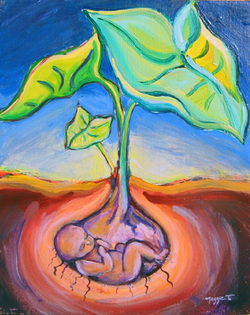
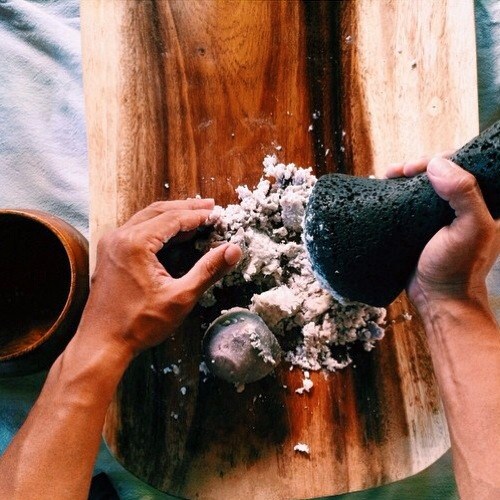
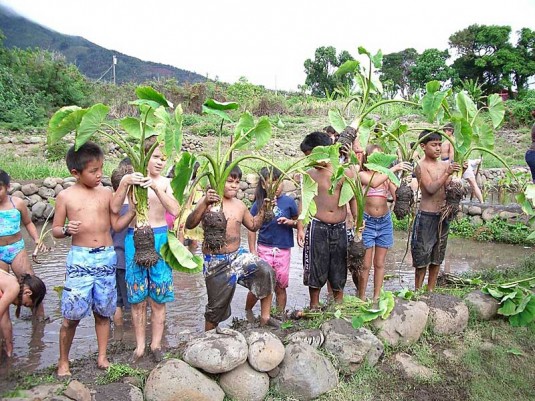
Papa and Wākea had a daughter named Hoʻohōkūkalani, whose name means ʻthe making of stars in the heavens’. Wākea and Hoʻohōkūkalani together conceived a child. Their union resulted in two births. The first birth was an unformed fetus, who was born prematurely. This child, a son, was named Hāloa. The kupuna (elders) whispered ʻthe child looks like a root’. The family then wrapped Hāloa in kapa (cloth) and buried him in the ʻāina (land).Hoʻohōkūkalani grieved the loss of her son, wailing, mourning and watering the grave with her tears. In time a plant grew from the gravesite, a kalo plant (taro plant). This plant was fragile and tender but also strong and healthy. The stems were slender and when the wind blew its heart shaped leaves swayed. In the center of each leaf, water gathered like a mother’s tear drop.

Hoʻohōkūkalani conceived again and this time gave birth to another son also named Hāloa in honor of his elder brother. Hāloa was born strong and healthy and is believed to be the first Hawaiian man. Thus, Hāloa the kalo, is considered to be the older sibling and the kanaka Hawai`i (Hawaiian people) the younger sibling. It is said that if you take care of your older siblings and your mother, they will nurture and take care of you. This is the relationship that the Hawaiian people have to kalo. The myth of Hāloa has been passed down from generation to generation. The word Hāloa itself means long breath and infers to the strength and endurance of the Hawaiian people. Without breath we have no voice; without breath we have no life. Hāloa tells a story of the interconnectedness between Hawaiians and the connection between people and nature. 

In ancient times times, Kalo was the primary food of Hawaiʻi, supplemented by other principal and traditional foods. Today, with the conveniences of imports and fast food chains, there’s not much demand or need for kalo or any traditional food. But there are those who still continue to perpetuate our cultural practices and the primal connection to Hāloa lives through them.
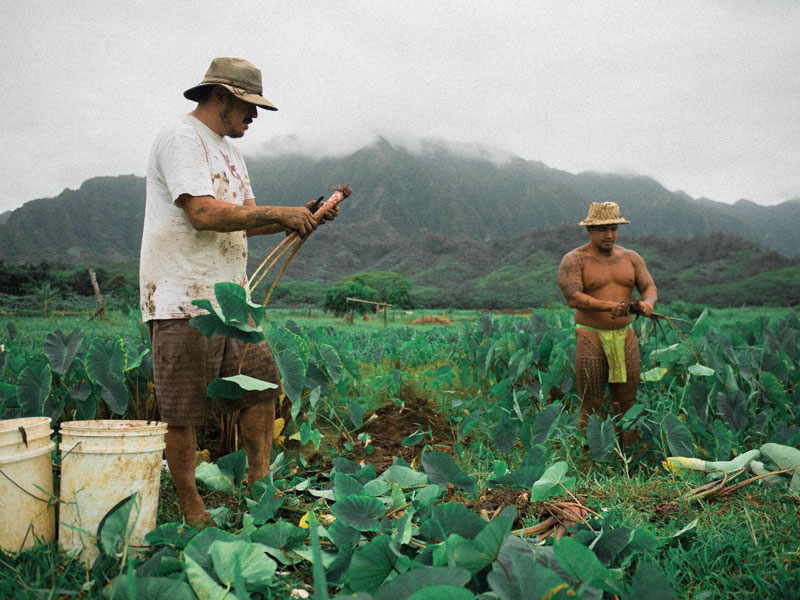
“He Aliʻi Ka ʻĀina, He Kauā ke kanaka”

The land is a chief, humans are its servants.

The land has no need for human, but humans need the land and work upon it for livelihood.

— Mary Kawena Pukuʻi, ʻŌlelo Noʻeau #531

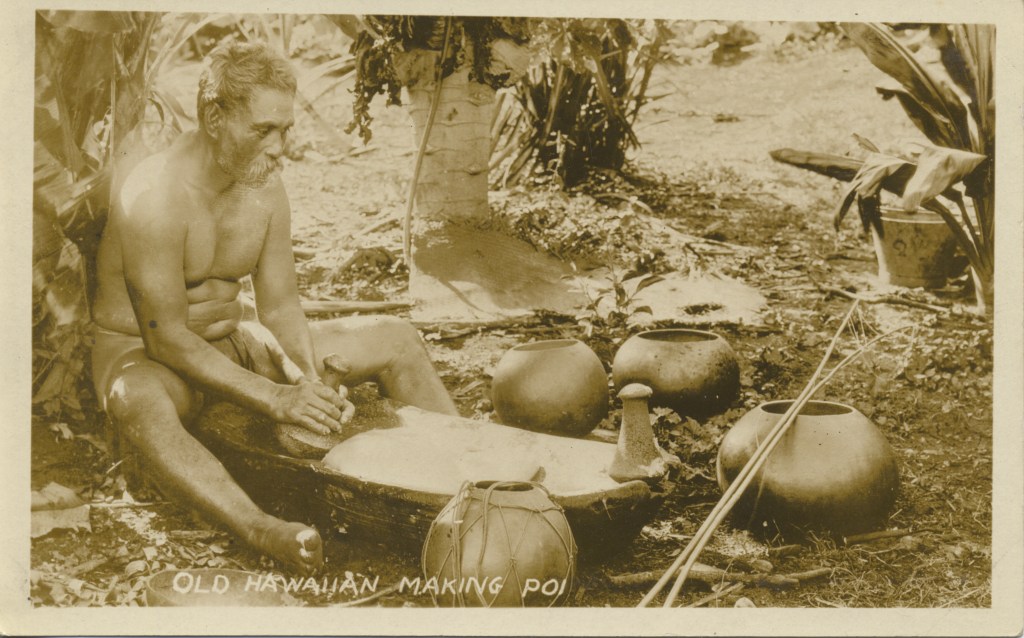
For generations and generations, my ancestors have sustained themselves by maintaining a healthy relationship with their environment. Since I was a little girl, my dad would teach me what his father taught him. He would take me fishing and diving for octopus, lobster, and all types of fish, picking ʻopihi (limpet), and always, always, cleaning the kalo patch. It has become a responsibility for my family to go to our family land, called Paeloko, throughout the week to clean the irrigation ditch, clear weeds, water plants, and pull/clean the kalo patches. By spending so much time ensuring that all plants are growing healthy and equipment like fishing tools are clean, you learn to truly appreciate the outcome. That is probably why my favorite thing to eat is fish and poi (with a little bit of furikake). I am not a real picky eater and I will try whatever you give me. In the future, I would love to try other cultures traditional foods like bird nest soup from china or Caponata Di Verdure from Sicily, those places also are where my genealogy takes me. I am not the best cook but I am learning. During my time here, I want to learn different customs of cooking so I can take it back home and share with my family.
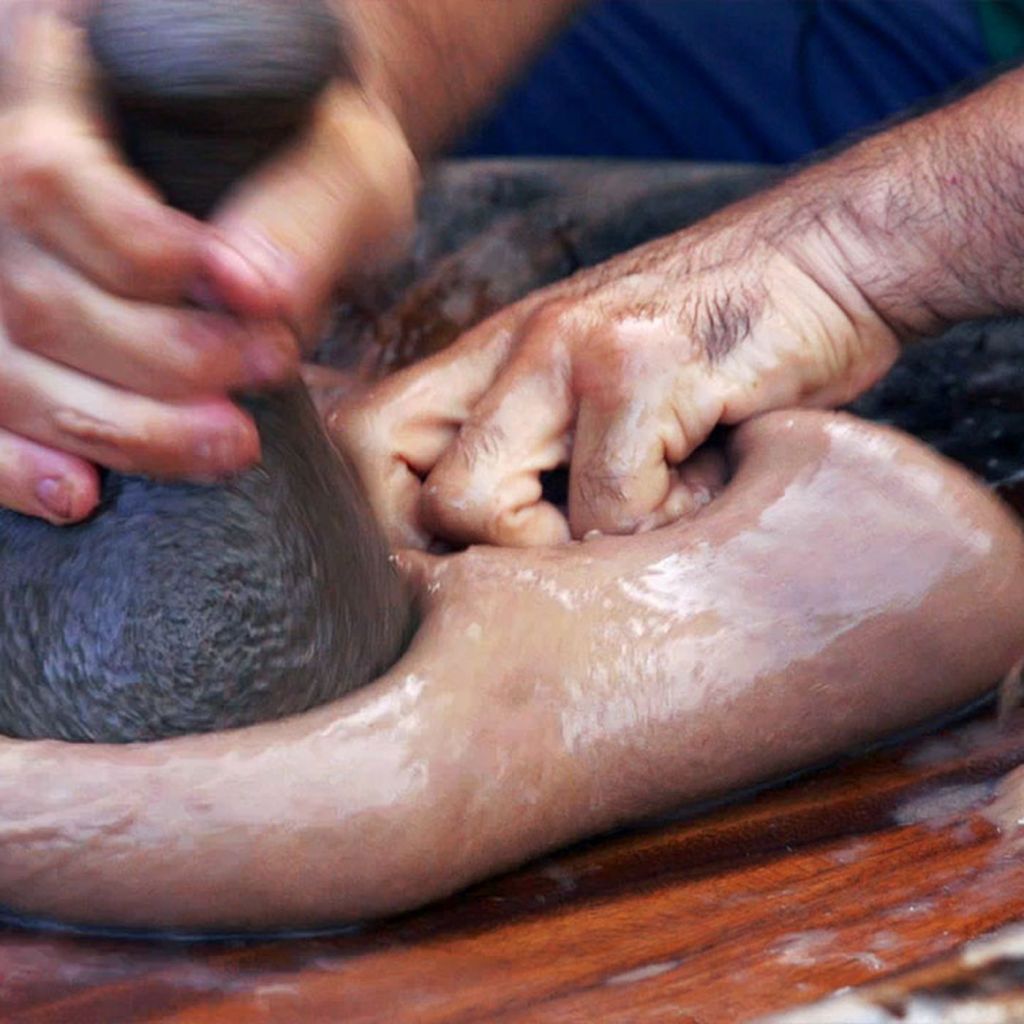
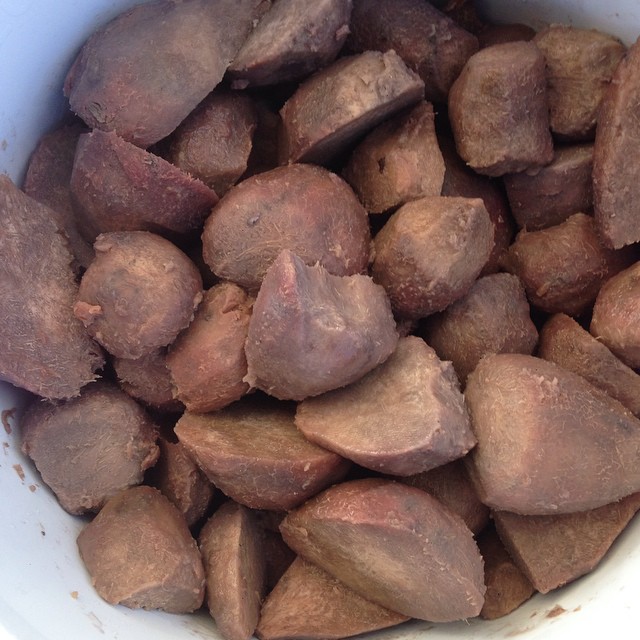
At times when I can’t think clearly, stress too hard, or get caught up in being really busy, I feel something within me, pulling me to get my hands in the dirt and feet in the water. Being on the land is a form of therapy for me. It is a part of me. I am passionate about unearthing and continuing traditional practices and fighting for environmental rights, because it’s my responsibility to care for my older sibling (Hāloa), my elders, and my mother (Papa). This is where I come from. The water, the land, the air, and the people, all that is essential for life, are the things that ground me into who I am today. My roots stretch far…all the way to the beginning of Papa and Wākea.
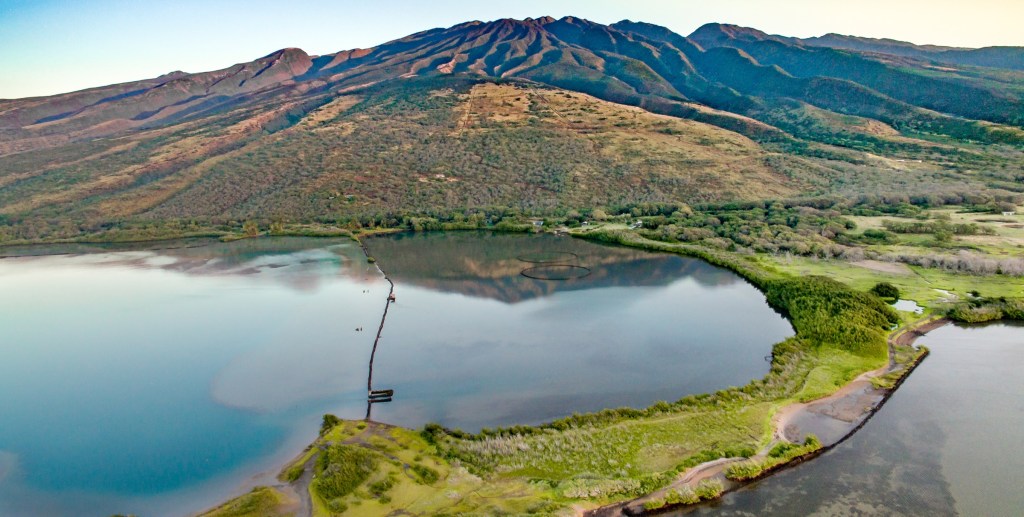
A Look at Hawaiian Fish Ponds

– Loko Iʻa –

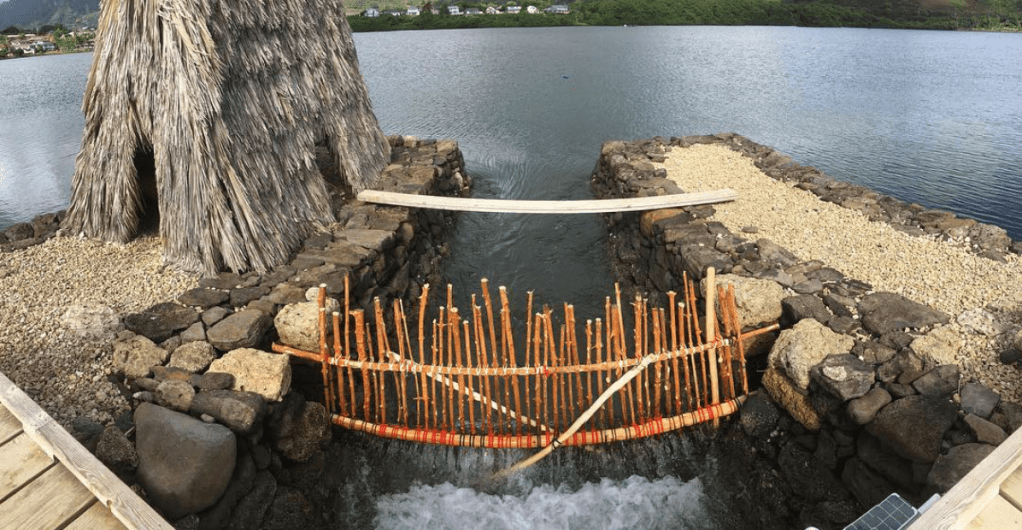
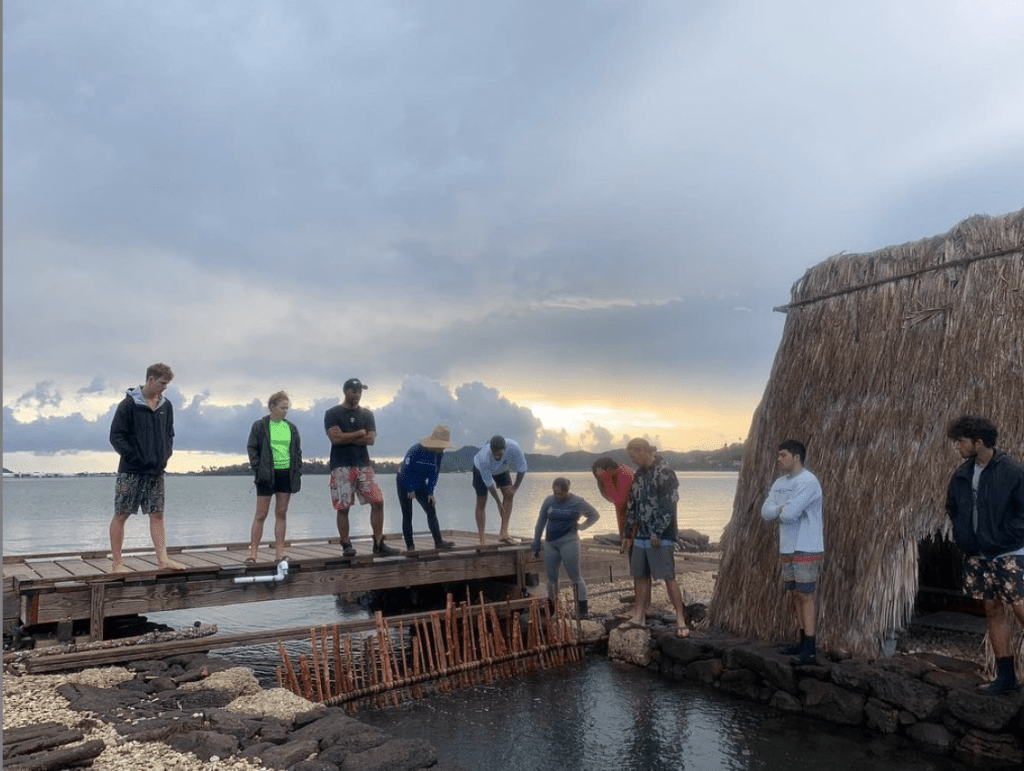
Loko i‘a, Hawaiian fishponds, are unique aquaculture systems that exist throughout Hawai‘i and continue to feed and connect communities around the islands. The Hui Mālama Loko Iʻa Association is a growing network of fishpond practitioners and organizations from across the Hawaiian archipelago. The group was formed as an opportunity for practitioners to empower each other and leverage their skills, knowledge, and resources related to the restoration and management of traditional Hawaiian fishponds.

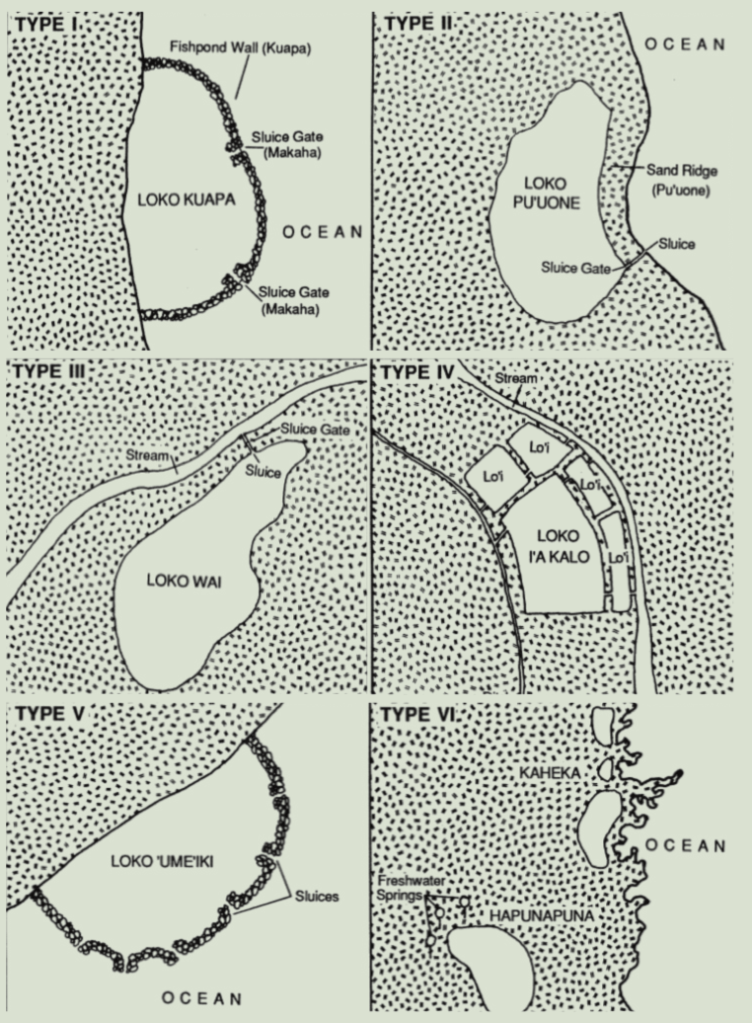
Loko i‘a are important components of the ahupua‘a (traditional land stewardship framework) that contribute to a healthy and robust food system. They are unique aquaculture systems that exist throughout Hawai‘i and were developed to optimize natural patterns of watersheds, nutrient cycles, and fish biology. There are six general types of loko i‘a.

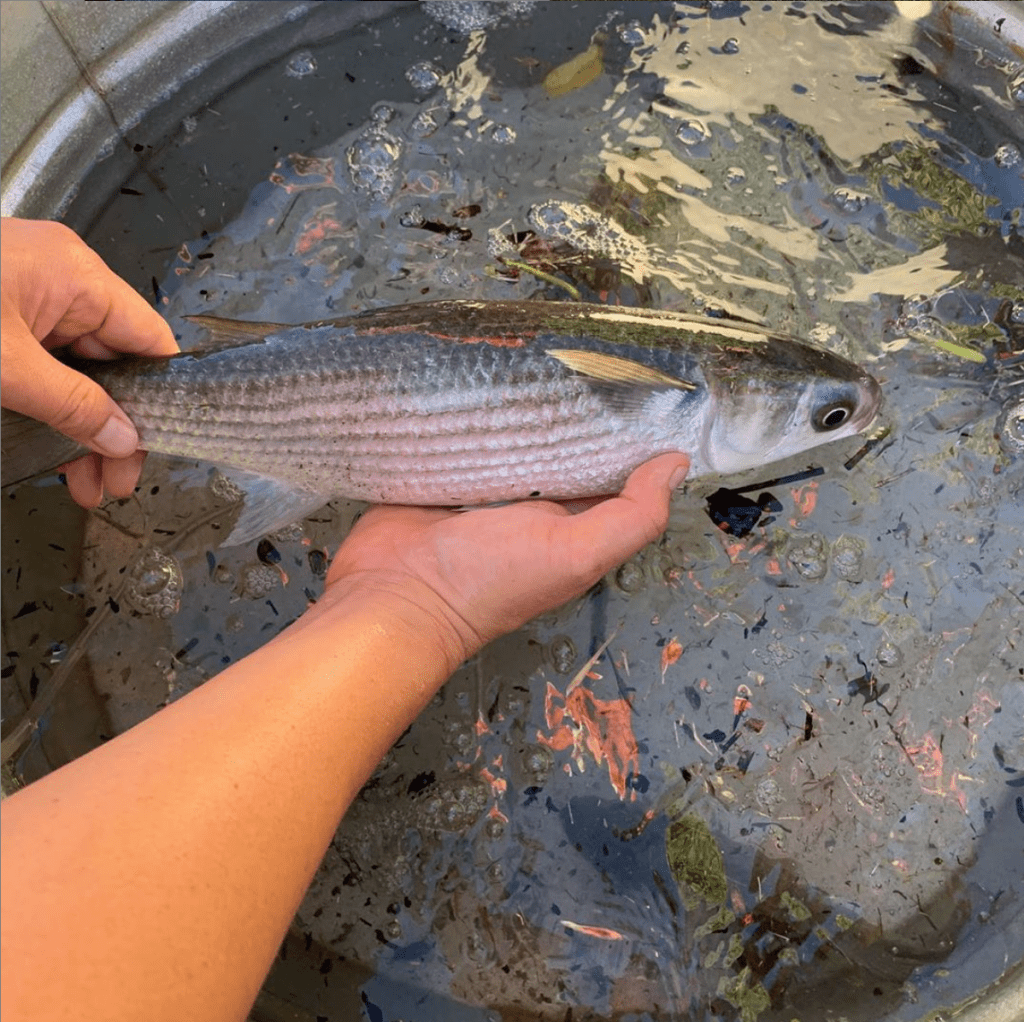
This is the desirable ʻamaʻama (striped mullet). The ʻamaʻama is one of the fish we WANT to raise in a Loko iʻa. This fish was historically raised in our 400 year-old fishpond for the monarchs. Their spawning season is right around the corner! Soon we will be able to see ʻamaʻama swimming up the stream and into Middle Pond. After we are finished restoring the pond, we hope to have many many many ʻamaʻama happily thriving in this Loko iʻa.

488 fishpond sites were identified in the last statewide survey (DHM 1990). Among these 488 loko i‘a sites, many are in degraded conditions, sometimes completely beyond repair or unrecognizable as fishponds. However, for the sites that are partially intact, there are communities and stewardship groups who actively restore or have expressed interest in reviving the integrity and productivity of these places. 

Today, Hawai’i’s communities are coming together. They are working to reclaim their role as stewards of their places, advancing just solutions to Hawai‘i’s most difficult environmental and social problems. They are joined in this work by others who are researchers, teachers, businesses, artists, resource managers, decision-makers and individuals in Hawai‘i and around the world.

Why I Joined FFE…

I was born in a tiny house on the side of the Koʻolau mountains on an island called Oʻahu. This tiny house was infused with the smell of Lambrusco wine, chicken marsala, and an everlasting amount of love. I grew up with a head full of determination and a drive to travel the world. I was raised through Hawaiian ways but always managed to return to my Italian roots. Luckily, I have the best of both worlds.

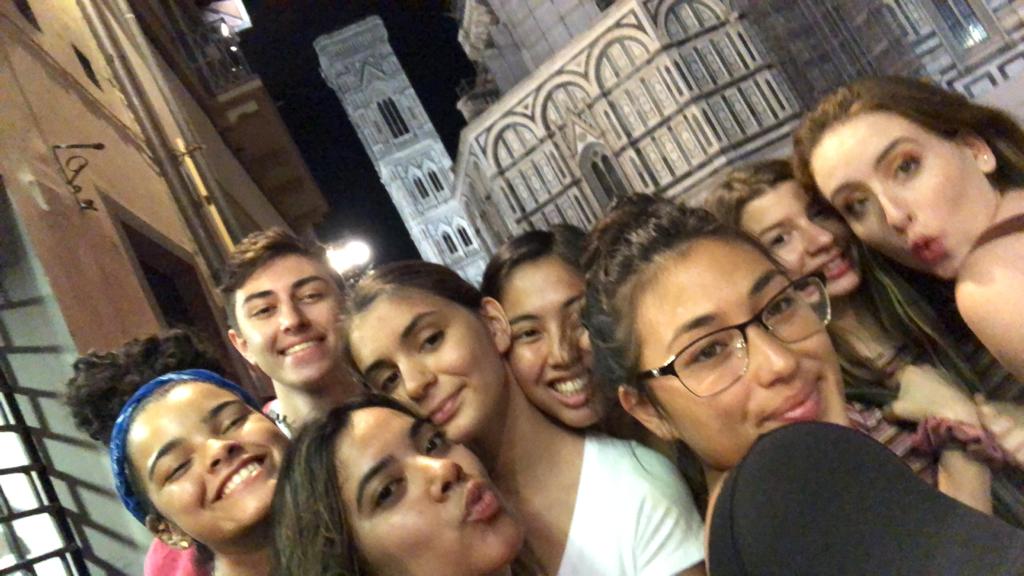
As I searched for the right college that has a good social aspect and great academic opportunities, Marist was the obvious choice, especially the Freshman Florence Experience program. I wanted to do more than just hold on to my culture; I wanted to experience them. I don’t know when I would ever get this opportunity to study in a place with great history and importance to me. What a better way to understand different perspectives than studying politics in a different country. This experience will give me the chance to represent my home, my island, and my people. 

This unique program in Florence would allow me to do more than just learn about my grandparents’ journey but live the lives they once lived. I picture myself loving the same food, music, people and language my grandparents loved. By embarking on this journey, I can share the love of my tiny house with the world, especially as a red fox! 

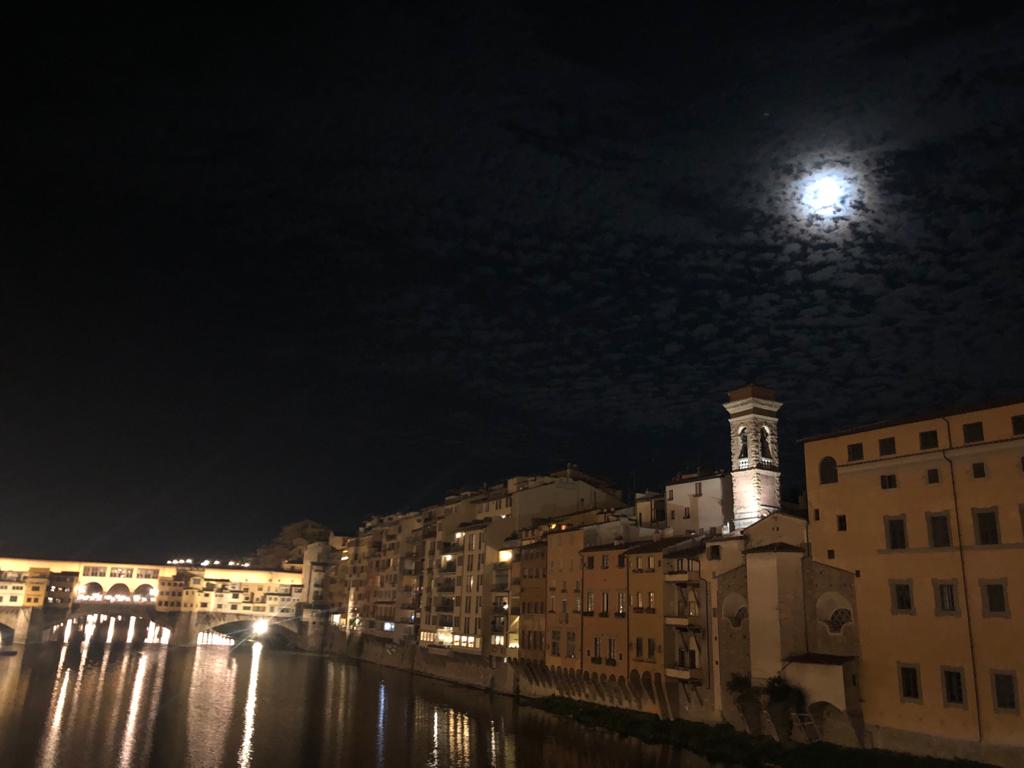
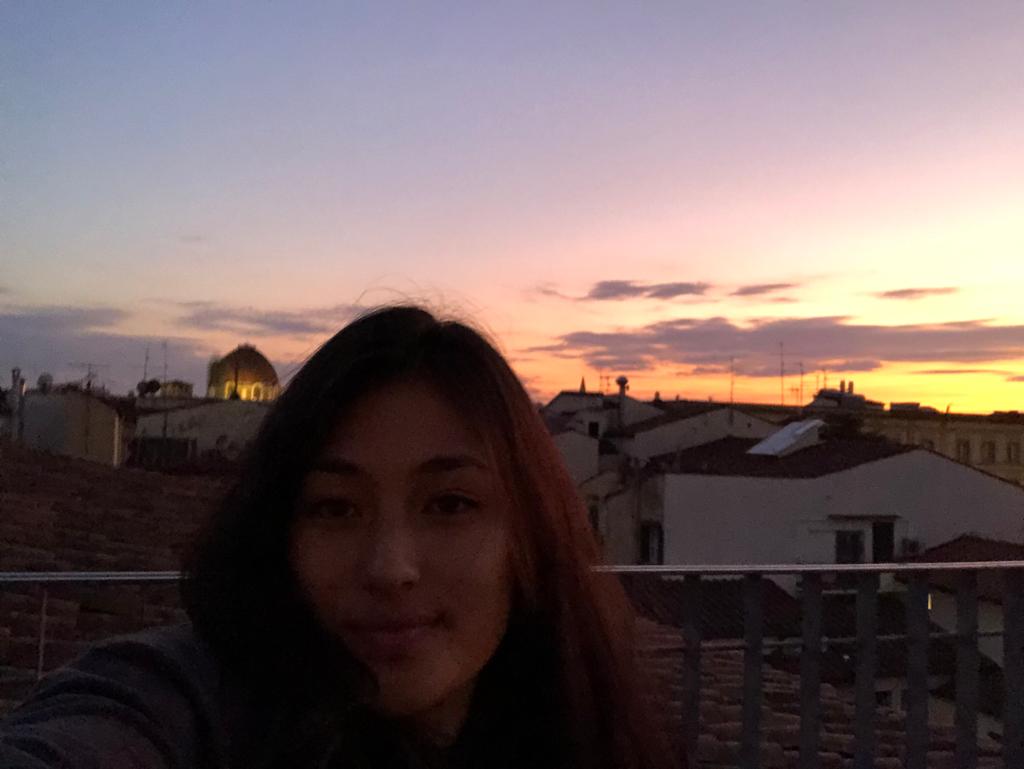
As the semester comes to an end and currently amid finals, I am glad to say I am truly proud of all that I accomplish to get here. It has been challenging, adjusting to this new way of life but I know that I have grown a lot. Firenze has been treating me well. Every day I travel a little further, try different things, fail at tasks, succeed at others and learn something new. I’m constantly learning A LOT about myself and how to truly be by myself and love it. I miss home and everyone in it A LOT. I felt like my connection to my home was weakening and my heart, body, and soul ached in response. But really, I’ve come to learn that this connection is just growing and strengthening across these bodies of water and masses of land. It’s growing pains. As you see, I have my sunset sessions where I gather all my aloha and pule to send to you with the rising sun.

Now is a time of major change and I gain confidence knowing that I have people to support me and love me for all that I am. Yes, my hair doesn’t curl the same and my body is feenin to just dance and perform. But I know that I have a strong foundation and I’m still your pua girl who’s favorite thing to do is eat a shoyu poke bowl with Maui onion chips, and my body in some water surrounded by ‘ohana. I’ll be home soon but my time now is to explore and grow.

There are so many more words to say and stories to tell. Stay tuned. Love you fam. MAHALO PIHA I LOVE YOU ALL! THANK YOU FOR ALL YOUR ALOHA ❤️

The Protection of Hawaiian Salt

-Paʻakai-

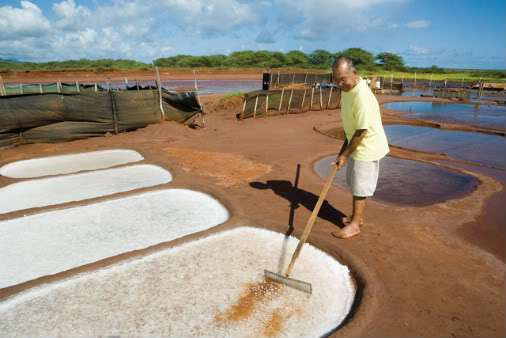
Throughout the 1800s and well into the 20th century, salt farming actively took place on all the islands. Hawaiian language newspapers and land documents evidence the extensive practice. Many places enjoyed the benefits of salt as a commercial product, as research shows salt widely exported by Hawaiian Kingdom citizens to America starting in the 19th century. Yet, over time, the commercial practice was impacted by industrialization. Many of the salt works lands were lost or sold off.

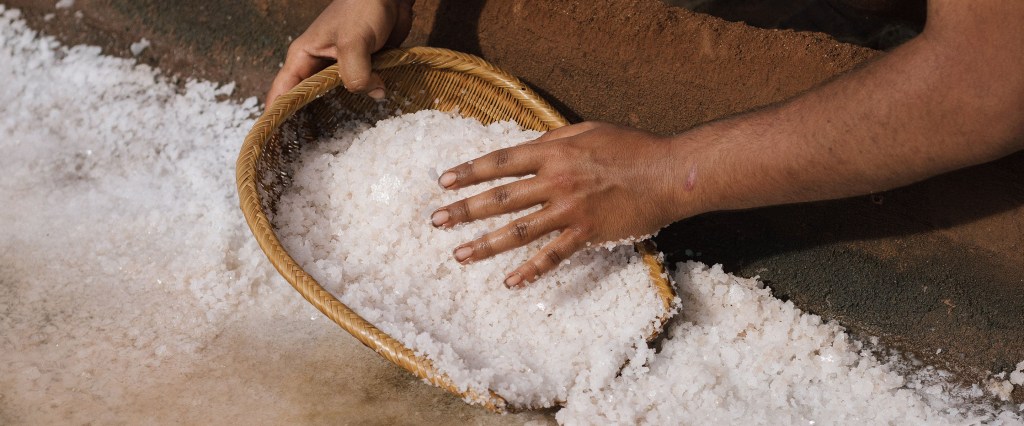
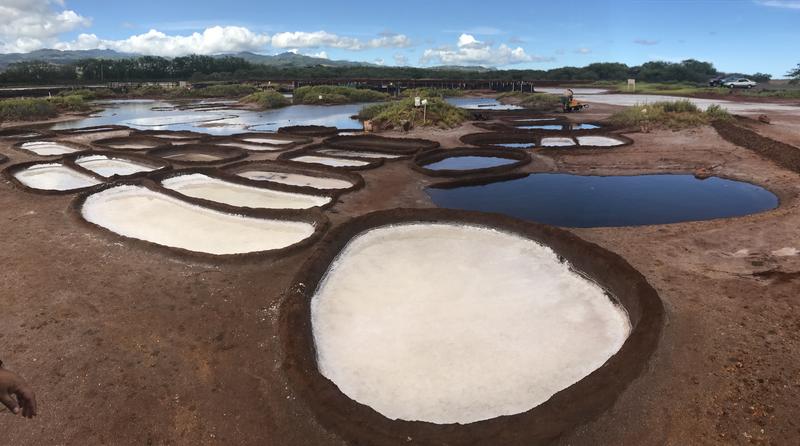
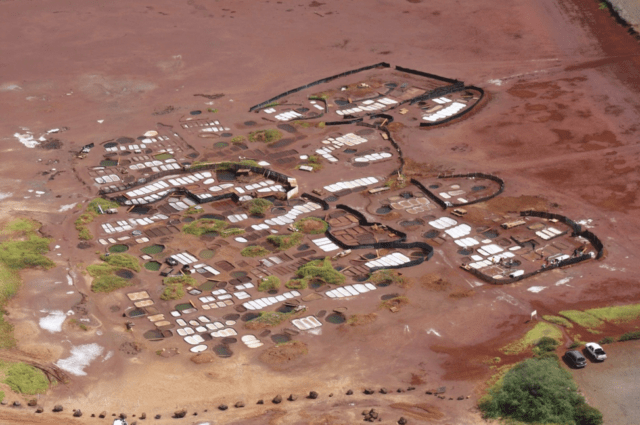
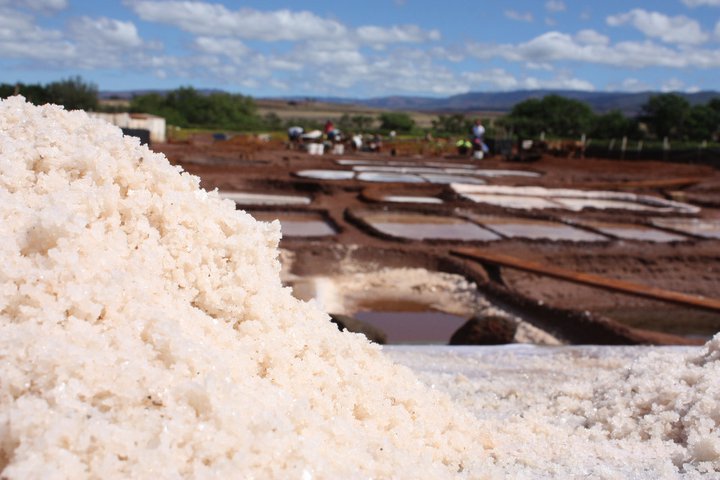
Today, salt is actively gathered in very few places. Only Hanapepe traditionally cultivates it, as it has for generations, through the use of Hawaiian salt beds. Now this last bastion of traditional pa‘akai (salt) is threatened by the steady growth of the nearby Port Allen Airport, which opened adjacent to the salt beds in the 1920s.

Airport lessee Smoky Mountain Helicopters, doing business as Maverick Helicopters, operates a number of facilities at the airport that were built without the proper permits. A 2005 Special Management Area Permit issued by Kauai County required the removal of “all temporary structures (sheds, shipping containers, etc.) associated with Inter-island Helicopter’s operation.” Not only was that requirement never fulfilled, but additional structures were built on the property.

The Delaware company, which operates across the United States, now seeks permits after the fact for its activities, much to the changing of the neighboring pa‘akai practitioners. The company says through its attorney that its activities do not impact the salt making, but practitioners say the dust and noise from the airport operations, particularly the helicopters, does adversely impact the cultural practices that have been going on there for centuries.

The site is listed on the Hawaii State Inventory of Historic Places, and under state and county regulations, applicants are required to consult with practitioners and stakeholders about potential adverse impacts to the resource.

Practitioners fear that if the permits are granted, the county may seal the fate of their cultural practice. Families have been dealing with a wide range of issues in the area for years. Ku‘ulei Santos, vice president of the group “Hui Hana Pa‘akai”, created an online petition where the public can sign in support of the practitioners’ opposition to the permit applications.

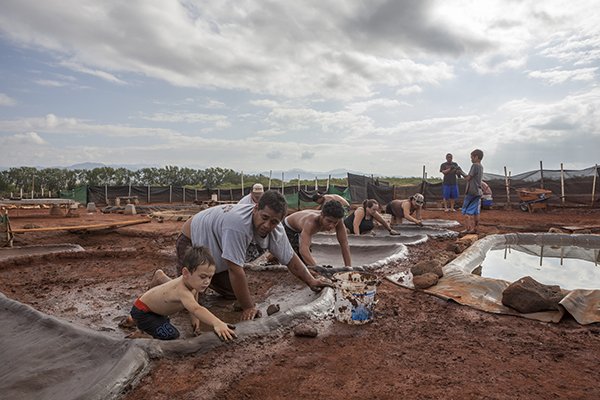
Pa‘akai farming is not simply about a historic and cultural site, but the ongoing indigenous pedagogical opportunities that come with a living tradition. The protection of sites and resources are only part of our island communities’ obligation to the care of these storied places. We are equally obligated to ensure that traditions are being passed down and perpetuated. The Hanapepe Salt Ponds are one of the most important cultural sites in Hawaii, as they are the largest and most enduring site of traditional teaching and cultivation for Hawaiian salt. Cultural loss is not only about the loss of resources but the loss of practice. So much of the knowledge of our ancestors have already been lost that we must, with great dedication and conviction, protect the practices that still live in us today.

Ola I Ka Wai

-Water is Life-

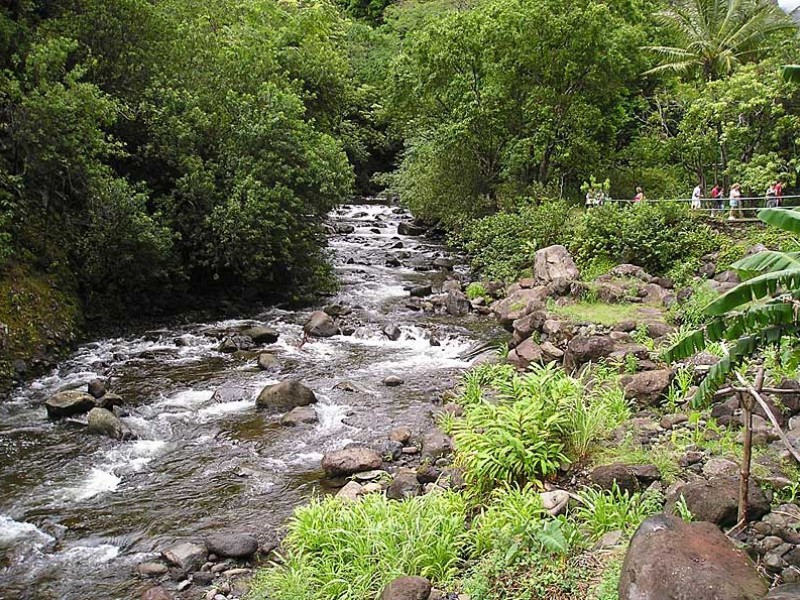
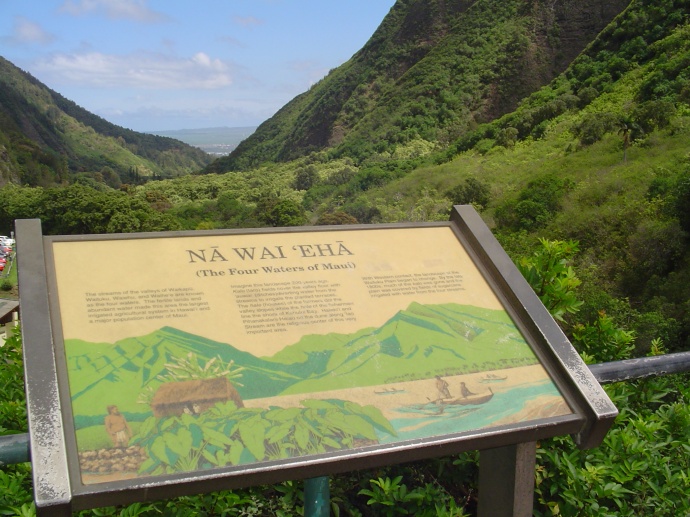
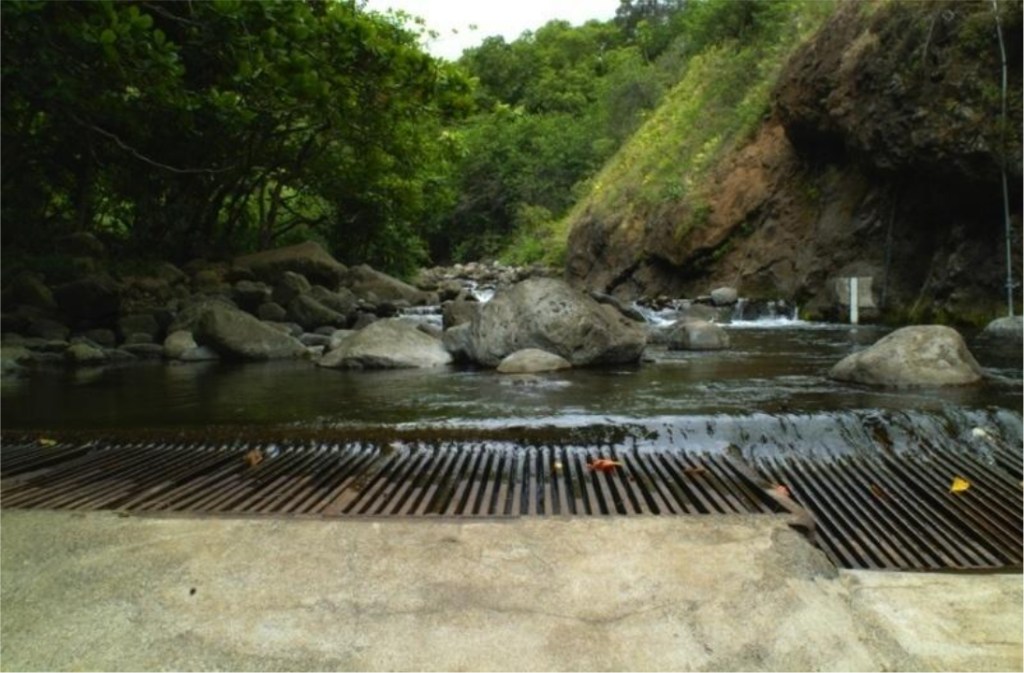
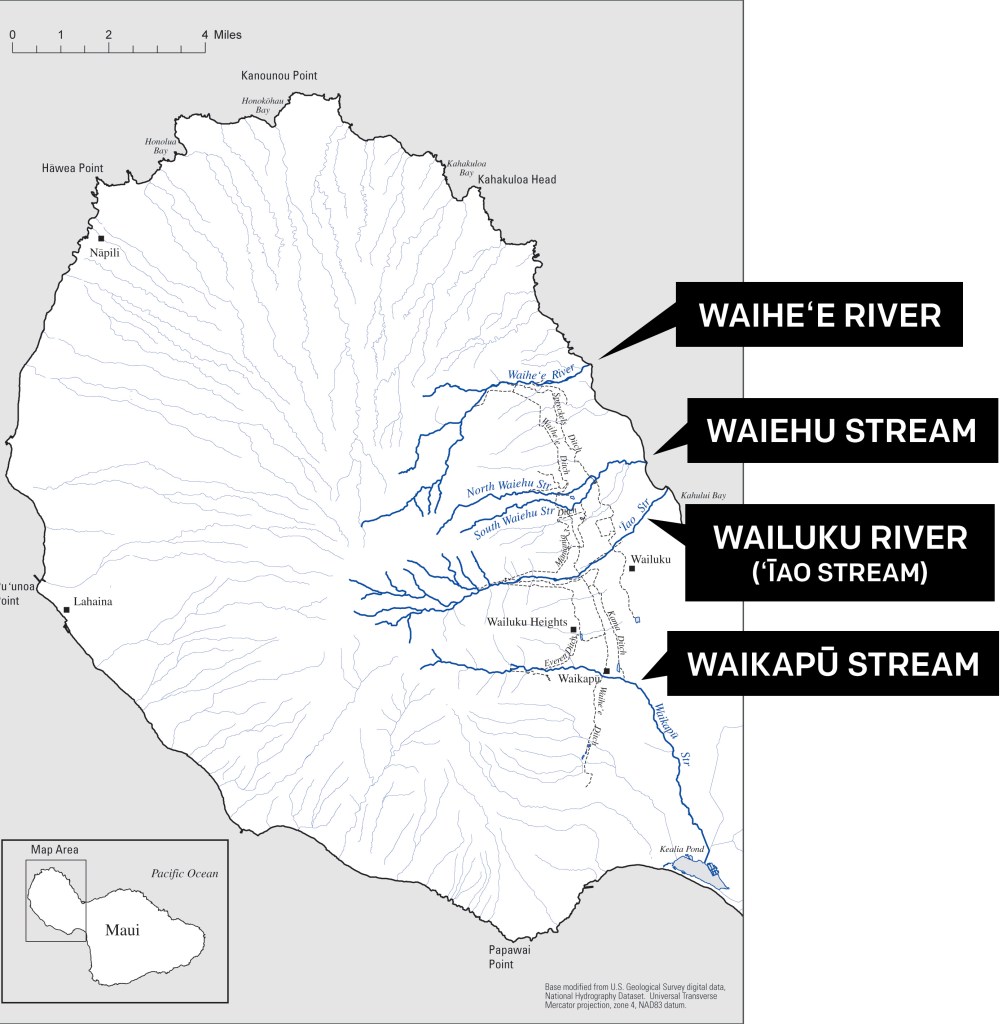
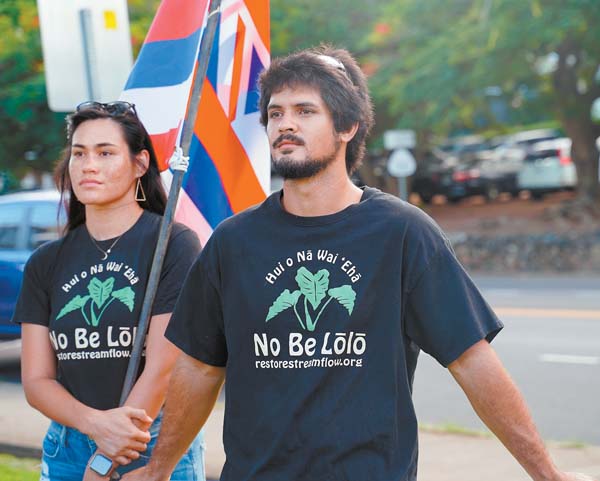
In central Maui, a system of freshwater streams that sustained thriving Hawaiian communities since time immemorial is all dried up. Known as Nā Wai `Ehā or “The Four Great Waters,” these streams have been diverted for more than a century to irrigate sugar plantations. Now, on their sloping path from the mountains to the Pacific Ocean, parched earth is mostly what remains of these vital waterways for much of the year.

One might assume from the dry state of Nā Wai `Ehā that sugar cultivation is still a thriving industry on Maui. But it’s not. Over the past decade, the major water diverter—Wailuku Sugar Company—stopped growing sugarcane and began selling off the plantation to private developers. Yet it continues to drain the streams like before.

Why? Wailuku Sugar Company has reinvented itself as Wailuku Water Company. It maintains its water diversions to turn a profit by selling that water to the private development projects built on the former plantation lands. Wailuku hoards the “surplus” that it hopes to sell to future developments by giving it in the meantime to Hawaiian Commercial & Sugar, which uses the water as a cheap alternative to its non-potable agricultural wells, or dumps it on sandy fields it wouldn’t otherwise farm. But the water isn’t the companies’ to sell or to waste.

Water in Hawai`i is a public trust resource, protected by the Hawaii Constitution for the benefit of all Hawai`i’s people. The state has a duty to protect and restore traditional and customary Hawaiian practices, ecological uses, recreation, scenic values, and many other public uses of flowing stream water. Protecting private water banking and profiteering is not one of the state’s responsibilities—restoring Nā Wai `Ehā is.

Nā Wai `Ehā streamflow helps recharge the groundwater supply that sustains more than half of Maui’s residents and visitors. Native stream animals, wetlands, estuaries, and nearshore fisheries need a continuous supply of freshwater in order to remain healthy and functional. Streams need flow to support swimming, fishing, nature study, and aesthetic enjoyment.

And local communities need cool, flowing stream water for traditional wetland kalo (taro) cultivation, the staple food of the traditional Native Hawaiian diet. At one time, Na Wai `Eha supported Maui’s political center and fed the largest continuous area of wetland kalo fields in the Hawaiian Islands.

When companies began diverting streamflow for their sugar crops, Native Hawaiian communities suffered due to the restriction of kalocultivation,  Community members continue to cultivate some kalo where they can, but the streams of Nā Wai `Ehā must be restored to revive this important cultural tradition to its full potential. Flowing streams will also provide habitat for native stream species and reinvigorate traditional and customary practices, including subsistence gathering.

Restoring streamflow means restoring vitality to Nā Wai `Ehā and the Native Hawaiian and local communities that depend on The Four Great Waters that nourished Maui long before the sugar industry disrupted their ecological and cultural functions. As we say in Hawai`i, “No be lolo [foolish]: Restore streamflow!”

ʻUlu – The Ultimate Super Food

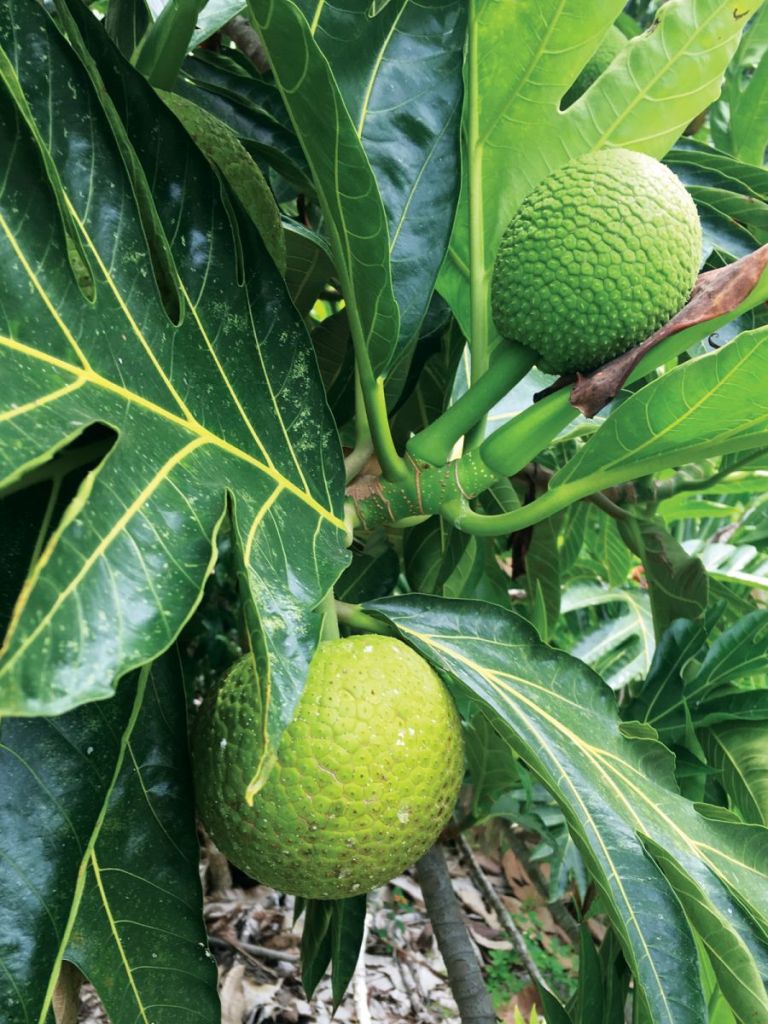
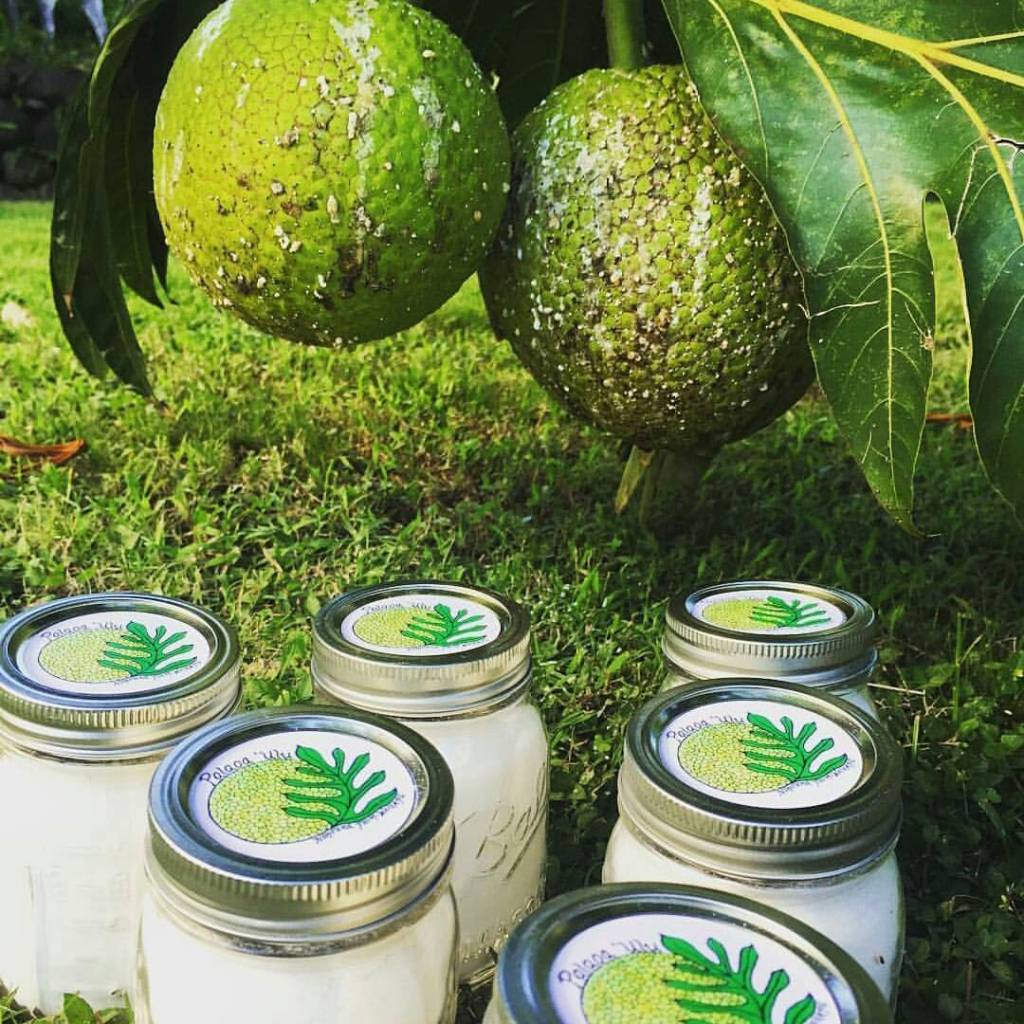
‘Ulu is the traditional variety of breadfruit grown through the Hawaii archipelago for centuries. It was one of the ‘canoe plants’ brought by early Polynesian settlers from the Society Islands to Hawaii centuries ago. There are numerous chants, proverbs, and legends about breadfruit.

In one famous legend, the god Ku, fell in love with a human woman, married her, and raised a family. During a time of terrible famine, he transformed himself into a breadfruit tree to feed his family. The small root shoots that grew from the tree were spread to family and friends and the source of all ‘ulu trees in the islands.

ʻUlu trees are vegetatively propagated from root shoots. The long-lived perennial trees that can thrive for decades. Its cultivation and use are exemplars of sustainable agricultural systems. The trees are easily grown and managed as a backyard tree and can be interplanted with a wide range of plants (e.g., bananas, taro, citrus, vegetables, etc.), on farms and even small yards. The trees require little attention or care, producing an abundance of food with minimal input of labor or materials. 

ʻUlu is considered a superfood not only because one fruit feeds an entire family and there’s enough fruit on the islands to feed the whole population, but due to its nutritional value. It’s sometimes called the tree potato for how versatile it is in cooked dishes and for how it tastes when it’s mature. But it is higher in protein, fiber, vitamins, and minerals than white potatoes.

There are many nutrients packed into one fruit. ‘Ulu is loaded with:

  • Antioxidants
  • Carotenoids
  • Fiber
  • Iron
  • Magnesium
  • Niacin
  • Omega 3 fatty acids
  • Omega 6 fatty acids
  • Calcium
  • Copper
  • Phosphorus
  • Potassium
  • Thiamine
  • Protein
  • Vitamin A
  • Vitamin C

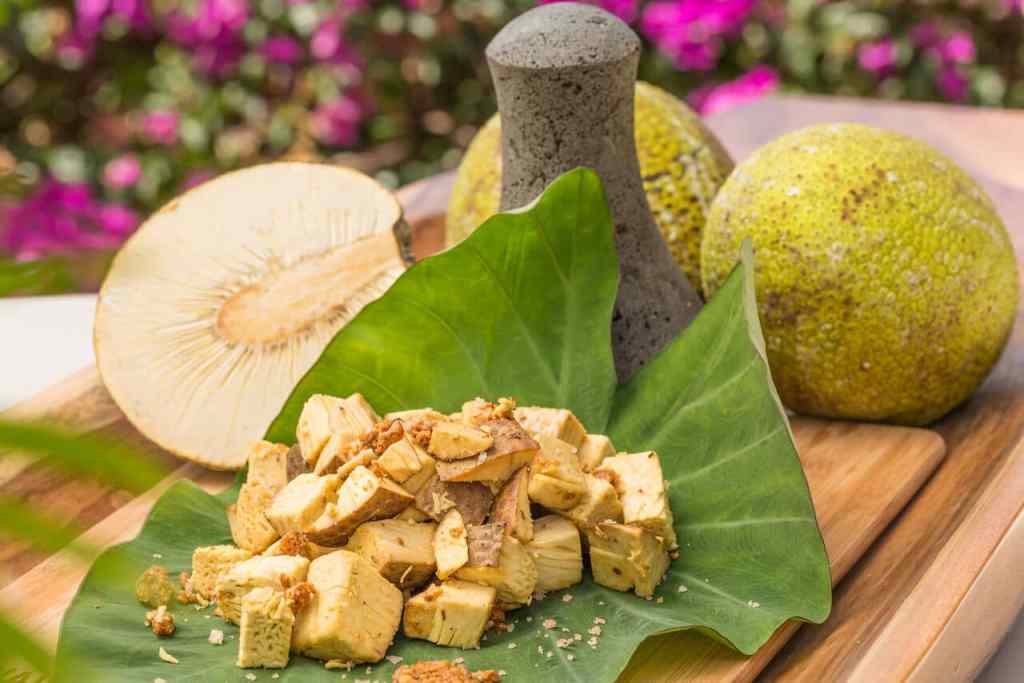
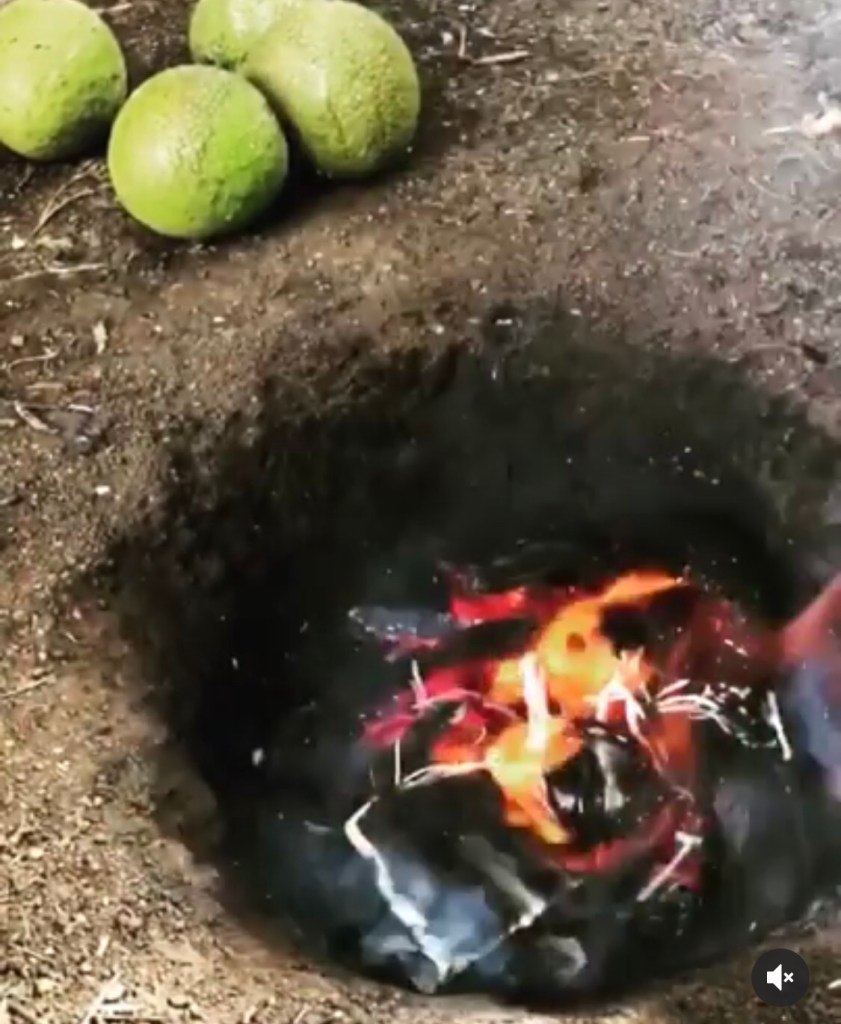
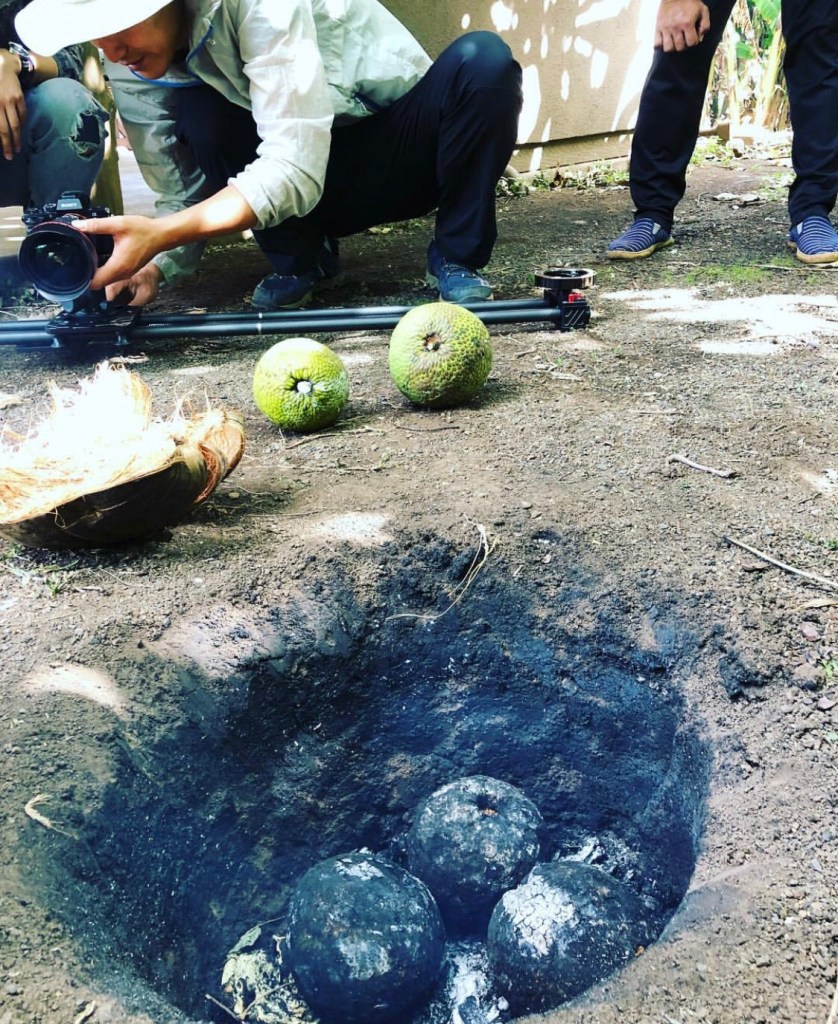
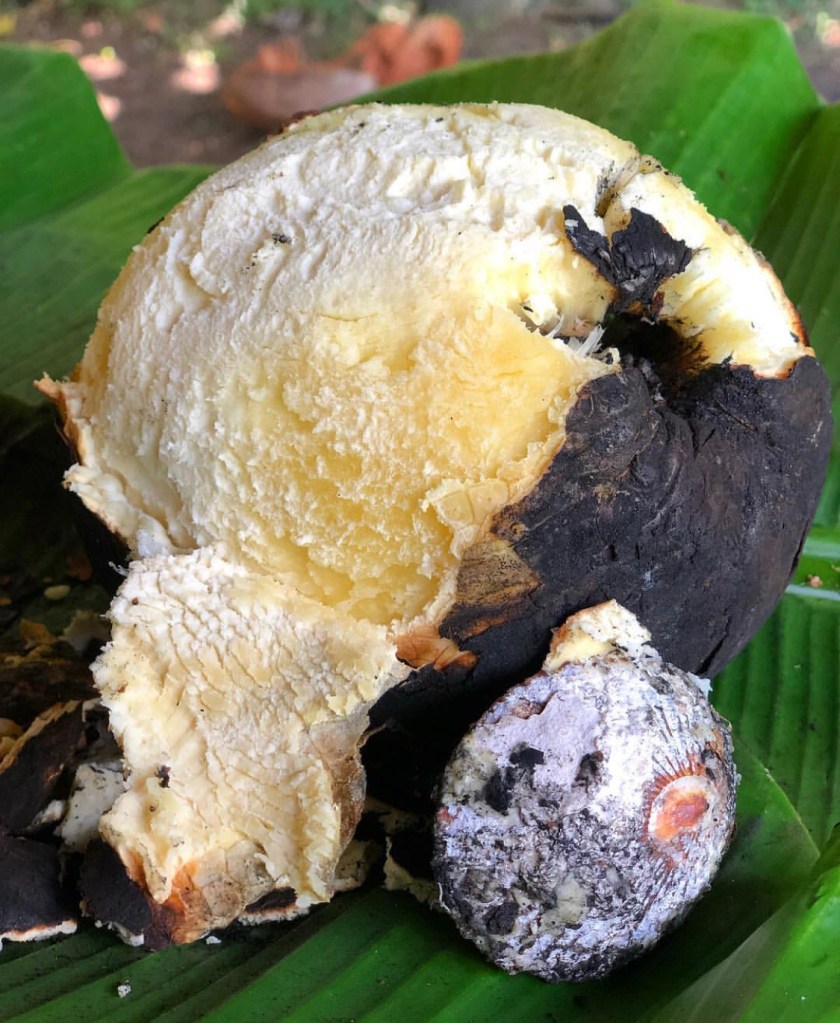
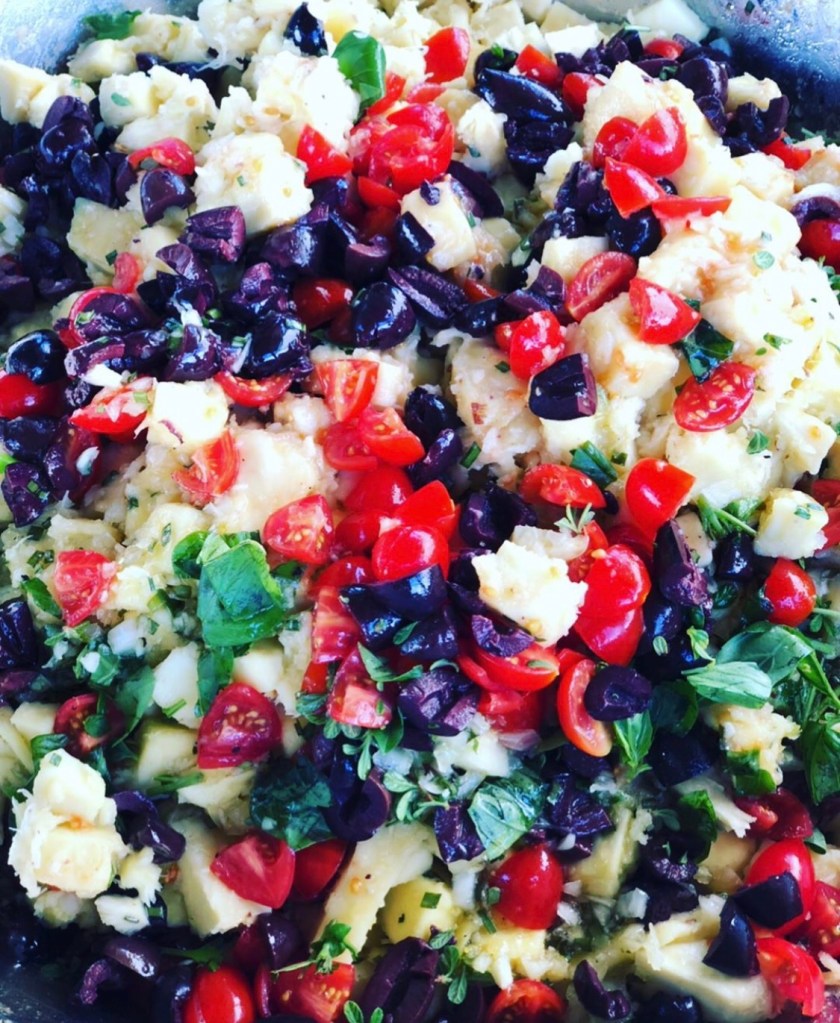
The traditional Hawaiian methods for preparing breadfruit are to roast the fruit in a fire until the skin blackens and chars or cooking it in an imu (a deep, covered pit lined with fire-heated rocks) and then peeling and eating it. The mature fruit was also peeled, steamed or boiled, then pounded into a version of poi called ‘ulu pa’i ai. This versatile fruit can be eaten at all stages of development. Hawaiian ‘ulu has a dense, firm texture and a mild, subtle flavor at the firm, mature, starchy stage when it can be used much like a potato. At the immature stage, when small and green and cooked as a vegetable, it resembles artichoke hearts in flavor. When soft and ripe it is sweet and custardy and can be eaten raw or prepared into desserts and beverages. ‘Ulu made significant contributions to food security and agricultural sustainability in Hawaiʻi for centuries. Besides produced an abundance of nutritious food for human consumption, excess fruit and waste (skin and cores) were fed to pigs and to fish in extensive traditional fishponds. These animals were important components of the ancient diet, providing valuable sources of protein and fat, as well as supplying animals for tribute and to acquire prestige.

When it’s green and hard, it tastes like an artichoke. When it’s mature, it tastes and cooks like a potato or other root vegetables. When overripe, it’s sweet and is enjoyed like fruit or dessert. It can be eaten in the raw state or steamed and pounded into poi or added to desserts and drinks. It can be fried, baked, or made into a gluten-free flour. In Hawaiʻi, the traditional method of cooking is by roasting the fruit.

You can use it as a healthier substitute for potatoes in your homemade dishes. At the size of a small basketball, this green-colored fruit can be made into pancakes, stews, soups, salads, casseroles, bread, and dips. It can be formed into vegetarian burgers. It can be marinated or pickled or used in curries. From making it into a dough and rolling it out for pizza, pasta, and tamales to peeling and eating the raw fruit, ‘ulu is a versatile superfood. It’s used for other purposes, such as an insect repellant, in waterproof caulking, chewing gum, to make clothing, and as a nutritious option for animal feeds. 

‘Ulu trees are still found in all, if not most of the areas of Hawaii where it was historically grown, though only scattered trees remain. For example, a proverb about the area Lele, in what is now known as Lahaina on Maui, talks about the shady groves that covered the area. Today, only a few majestic trees are left, the offspring of those ancient groves. ‘Ulu cultivation and use has declined over the past century, but remains an integral part of the diet in many communities. ‘Ulu is receiving renewed interest amongst many Hawaiians and other residents in both rural and urban areas who are looking at increasing cultivation and use of traditional island foods such a ‘ulu for cultural and health reasons.
Slow and Steady Wins the Race!

– A Look at Slow Food –

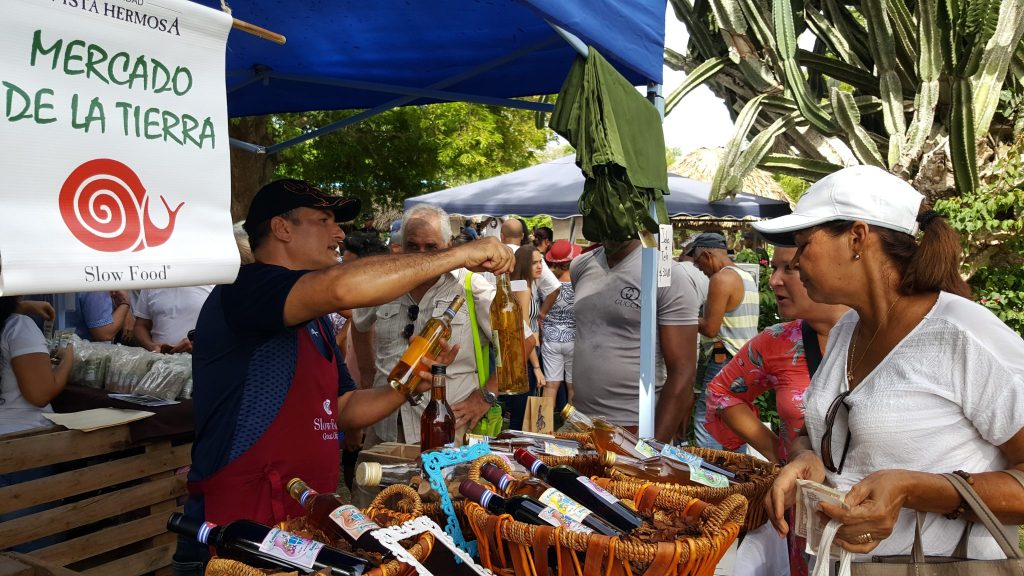
Everyone knows the childhood fable of the tortoise and the hare. Now switch up the story; in this case, the tortoise is a red snail and the hare is the accelerating impacts of globalization and the fast-food industry. This snail is the face of a worldwide organization called Slow Food. Slow food initially began in 1989 by Carlo Petrini to prevent the disappearance of local food cultures and counteract the rise of living a “fast” lifestyle. The Slow Food approach is based on promoting food that is good, clean and fair. The focus is on whole foods that are locally grown, dishes made with the health of the body and soul in mind, and meals that are appreciated when eaten. While these ideas about food are very much a part of the Italian culture, Slow Food is not confined to Italy. Today there are over 150,000 members of the movement in 160 countries.  

Our world is more interconnected than ever before. This greater interconnectedness of cultures allows people to have a greater perspective about the world creating a beautiful global society but to an extent. Traditional practices that makeup one’s cultural identity are at the forefront of globalization’s detrimental consequences. The rate at which globalization is accelerating is deemed unstoppable, so how can we as individuals control it? Some people and organizations are taking matters into their own hands to find a balance between the past, present, and future of cultures starting with traditional appetites.

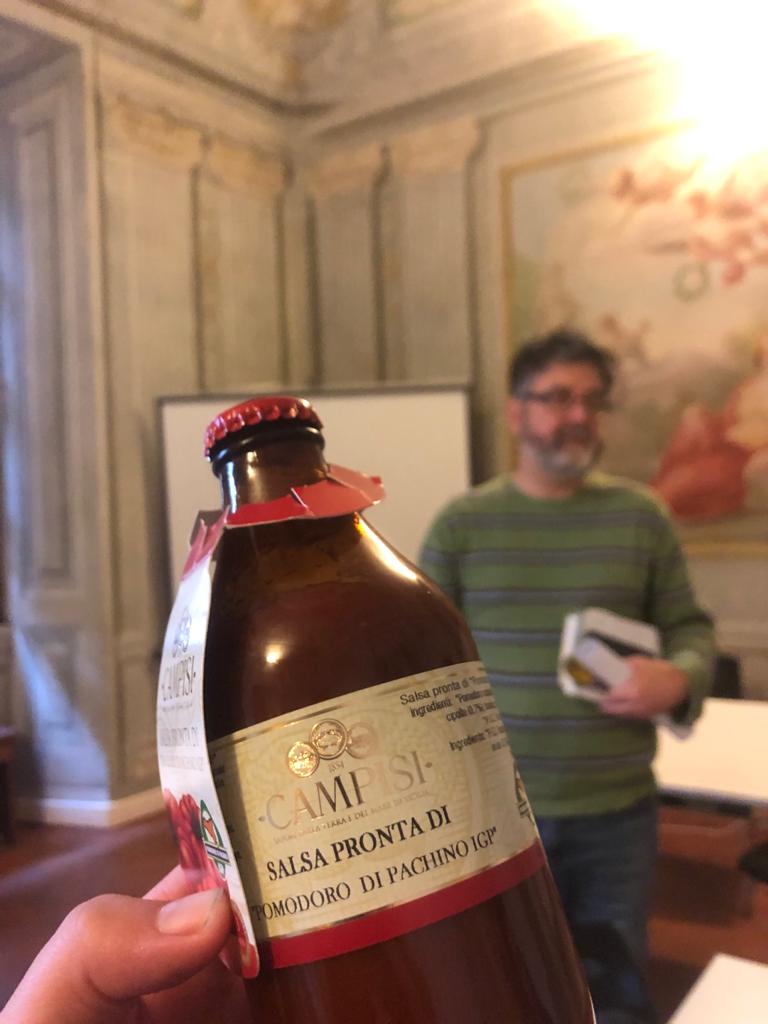
When I first began researching for this paper, I wanted to focus on the effects of globalization on traditional cuisines and cultural identity. My purpose was to prove that the consequences of globalization outweigh its benefits (and in some cases it does). But for the most part, what I discovered through my research is that because of globalization we have produced the advanced technology of today as well as our modern 21st-century cultural identity. I was in a predicament. I looked towards Dr. Campisi to assist me with the direction of my paper. He offered useful advice while also suggesting taking a look at this organization called Slow Food. I then found my argument which was that it is possible to balance the past, present, and future when it comes to traditional practices. 

In the interconnected world we live in I believe we need programs like this to slow down the detrimental effects of globalization like climate change and homogenization. Being from Hawaii, traditional practices and cultural identity is very special to me. Through my history, I see how the loss of practice greatly impacts an entire people. I experience the revitalization of traditions every day, whether it be through dance, art, language, or food. So this project to me has opened a door of opportunities for me to explore ways of preserving my traditions. Slow food exists as an example for communities throughout the world to gather and begin working on what’s important. I fully support Slow food in its efforts of supporting small businesses, local culture, biodiversity, and traditional practices. Slow food is the future of the traditional cuisine through its efforts of preserving traditional practices in the inevitability of globalization. Now, looking back at the childhood fable, who won the race?

The Beginning of a Family Tradition

– Uovo Al Vapore –

When I reflect on my family traditions, I realize that we don’t have any special dishes or secret recipes that we continue today. My family is not so big on cooking due to our dysfunctional- sometimes chaotic – and constantly busy schedules. As I might’ve said before, I am the oldest of 6 children who (all but 1) have school, practice, work, and homework. Due to our busy lifestyles we normally order out or heat up a pre-made meal. Throughout my childhood, I wasn’t raised learning how many cups of flour go into a batter for pancakes or how to stuff a turkey for thanksgiving. I was raised knowing when to put the ramen powder packet in the boiling pot of instant noodles. I was taught how to clean white rice and start the rice cooker. I realized throughout my life that I didn’t have many traditions and my parents are not to blame. I understand the value of having family traditions and I want to bring that back into this family dynamic.

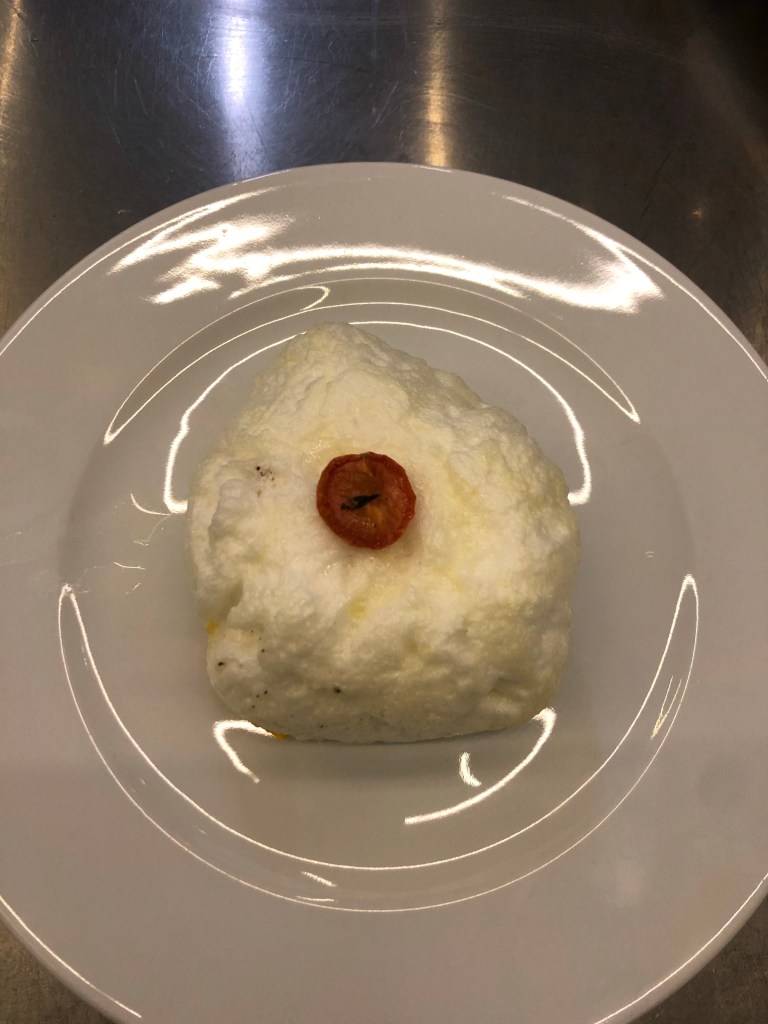
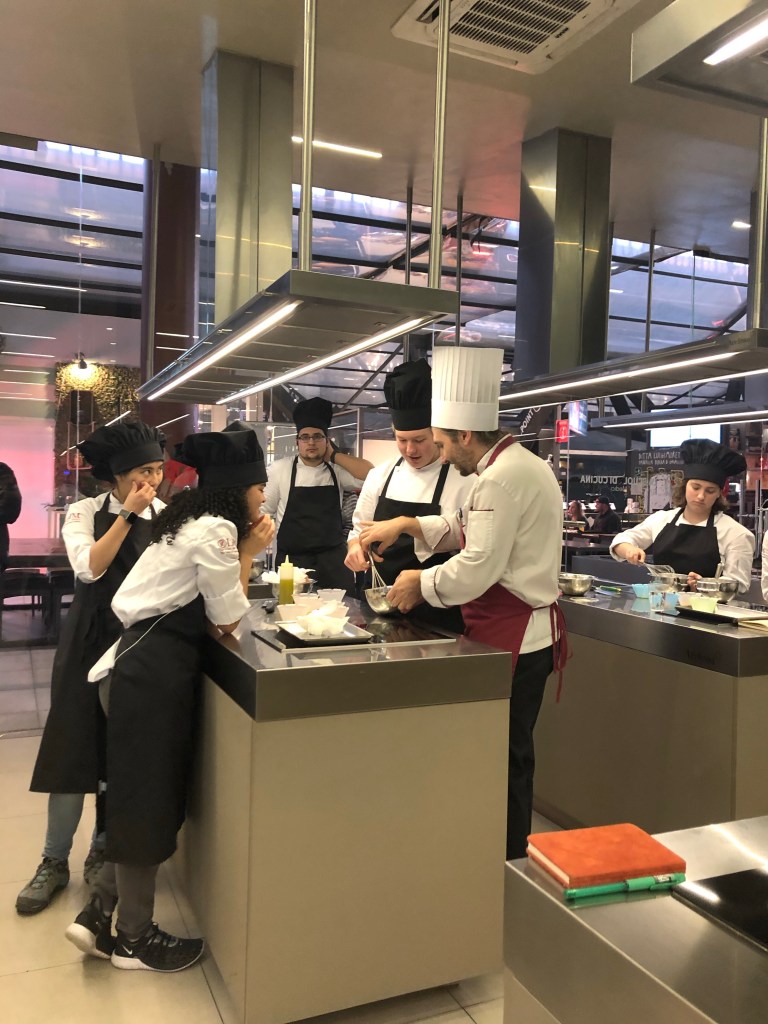
Along with this Writing For College course, I am currently taking a cooking class called Topics In Nutrition where I formed a strong foundation of food science as well as techniques of cooking. Because of these classes, I found a deep appreciation for cooking and truly enjoy it. In class, we’ve made Italian dishes like Crostatina Di Frutta, Caponata Di verdure, and Risotto Cacio e Pepe. The most recent dish we made was called Uovo Al Vapore aka The Vapored Egg. This is how we made it… 

What you’ll need for a serving size of 2:

  • 60 g Taleggio Cheese
  • 60 ml fresh cream
  • 4 eggs
  • 100 g cherry tomato
  • 5 g cane sugar
  • Extra virgin olive oil
  • ¼ orange zest
  • Thyme

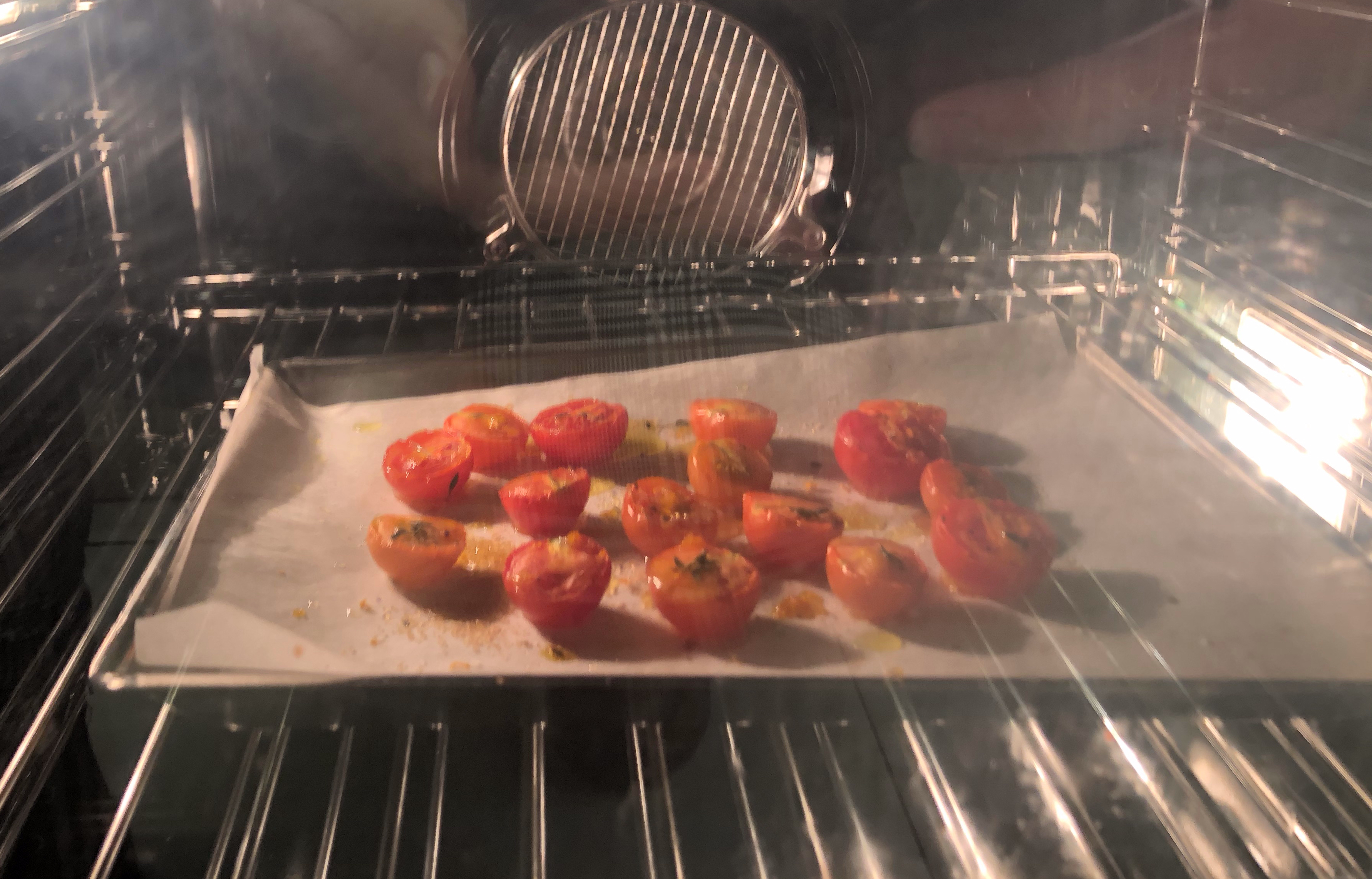
First, begin with the cherry tomato confit since it will need to bake in the oven for 60 minutes. Start by cutting the tomatoes in half and placing them on a baking sheet with baking paper. Season them with orange zest, olive oil, thyme, garlic (optional), salt, pepper, and cane sugar. Cook at 80º for around 60 minutes.

Secondly, make the fonduta (fondue). Heat up the fresh cream and begin to cube the cheese. Once the cream begins to boil, add the cheese. Constantly stir the pot as the cheese melts. When completely blended, shut off the heat and set the fondue aside 

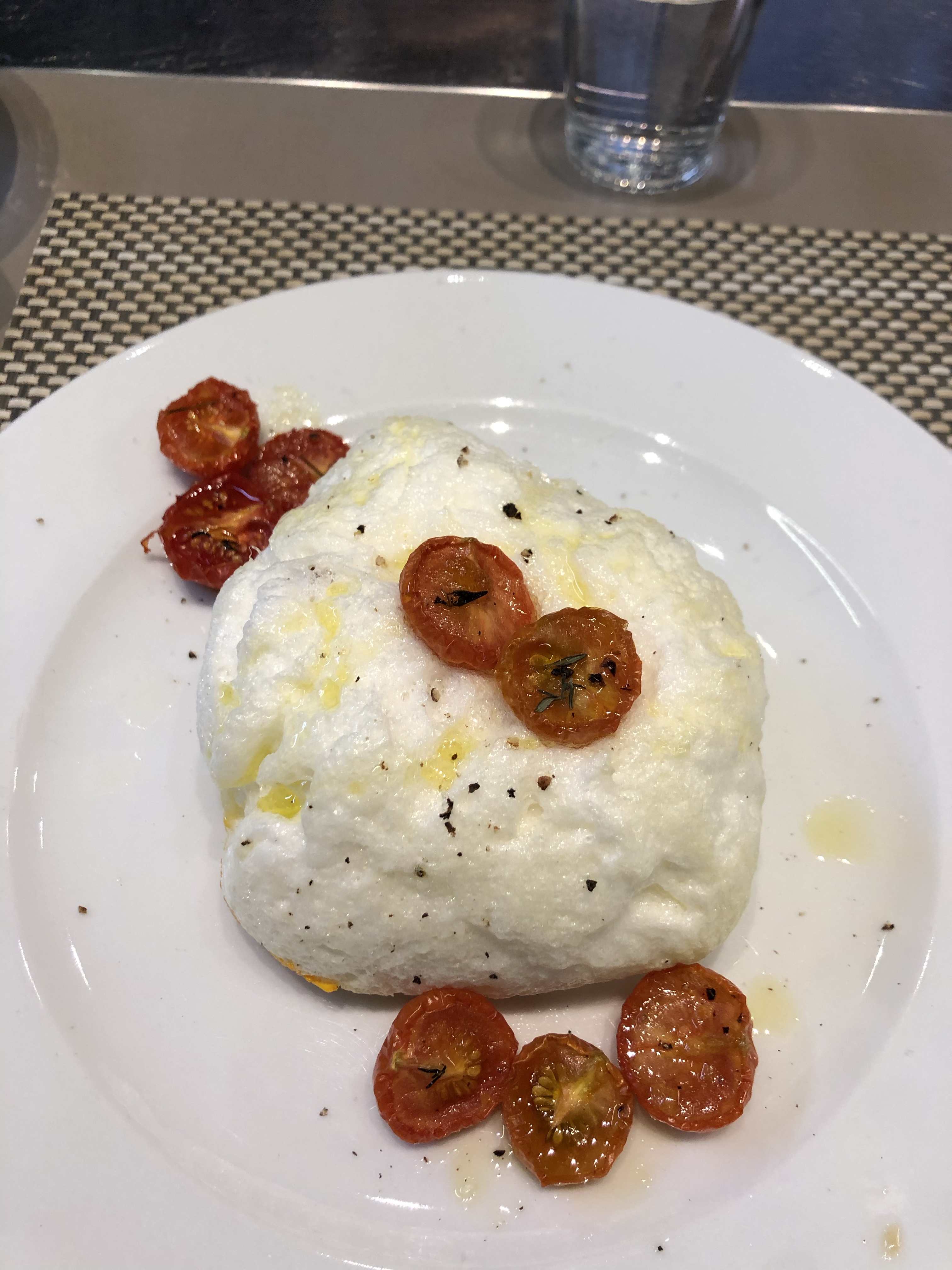
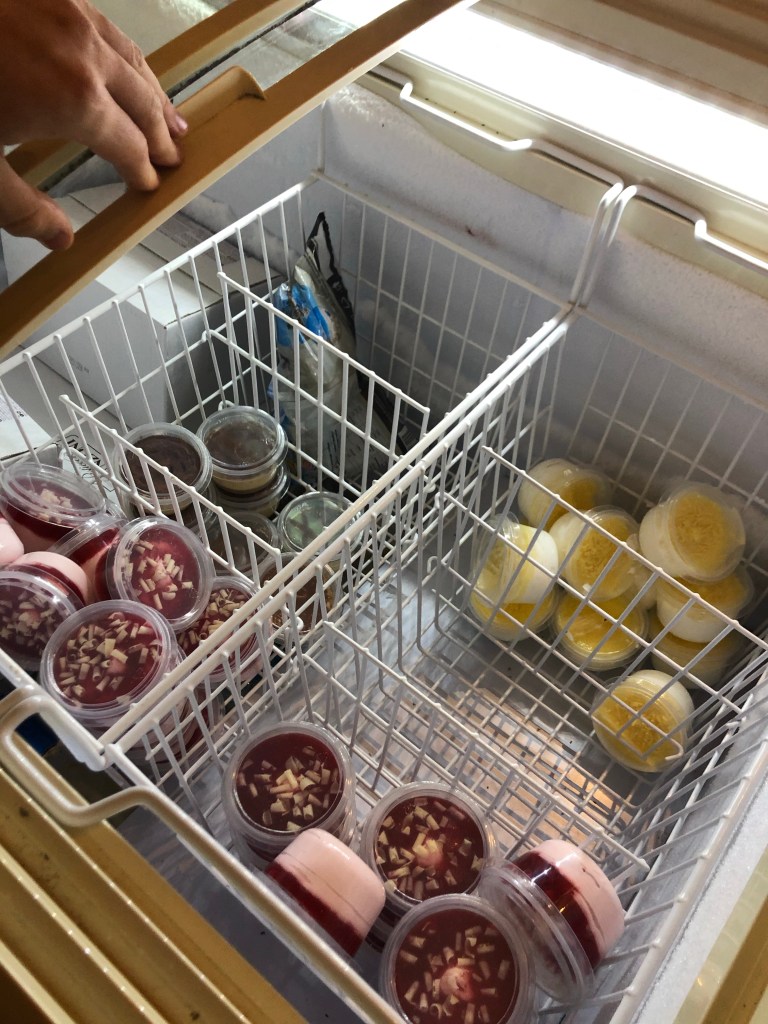
Now for the real challenge… the eggs. To make Uovo al vapore first separate the whites from the yolks. This next step might take a little more strength and patience. Whip the whites until firm creating a thick foam, so thick that it will not fall out of the bowl when flipped upside down. Be sure there is no egg yolk within the whites or else it will not work. Brush some olive oil over a foil of cling film and put half of the whipped whites on the cling film, creating a circle base. Then make a tiny crater in the center to add the yolk in. Carefully transfer the yolk into the crater without breaking the yolk. (If the yolk happens to break while inside of the whipped egg whites it should be okay. ) Then cover the yolk with the other half of whites, creating a mozzarella looking shape. Wrap the “mozzarella” in the cling film and cook in the oven at 100ºc (steam function) for 6-7 minutes. 

Finally, when plating the dishes create a filled circle of fondue in the center of the plate. Place the vapored egg on the circle fondue. Add the tomatoes around the dish and on top of the egg. Finish with a swig of olive oil on top and the dish with salt and pepper. Serve immediately.

Buon appetito! I hope you enjoy this dish just as much as I do. I’m thankful to have learned this recipe and I’m excited to bring it home with me to share with my family and friends.  Although I did not grow up cooking like this, it is never too late to start doing it more often. This is one tradition I am more than happy to continue.

KKs Study-Abroad Firenze Diet

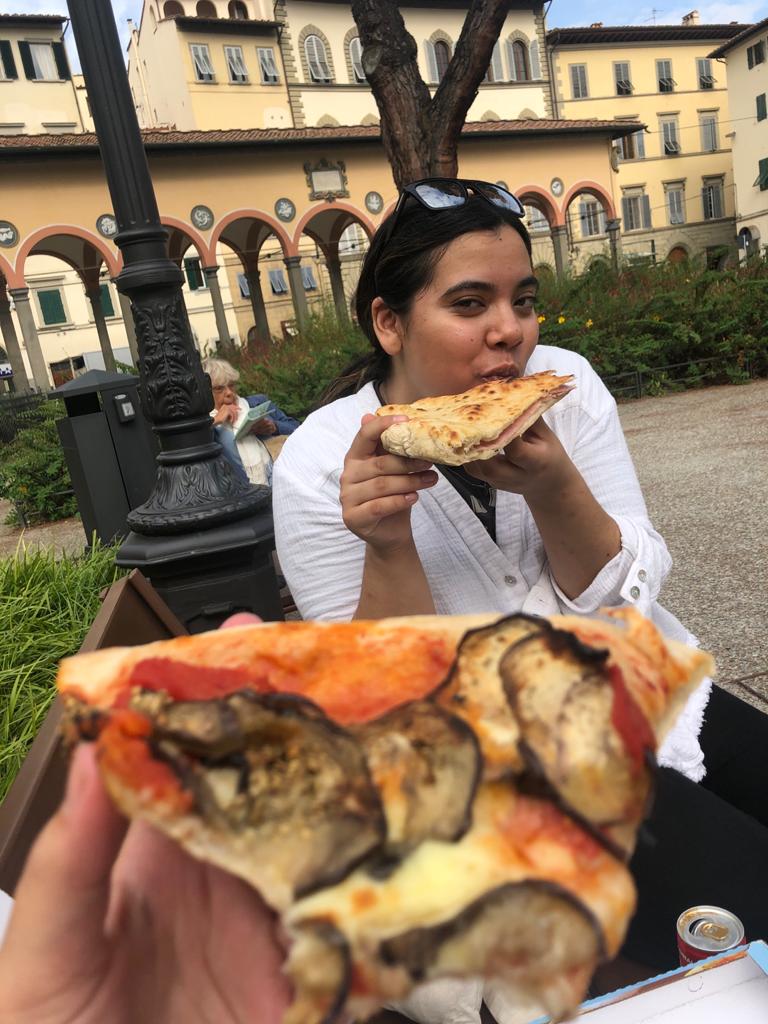
I have spent almost 3 months in Florence now and after scoping out all the different places to eat and get groceries, I am proud to say that I’ve finally got a steady routine in my study-abroad Firenze style diet.

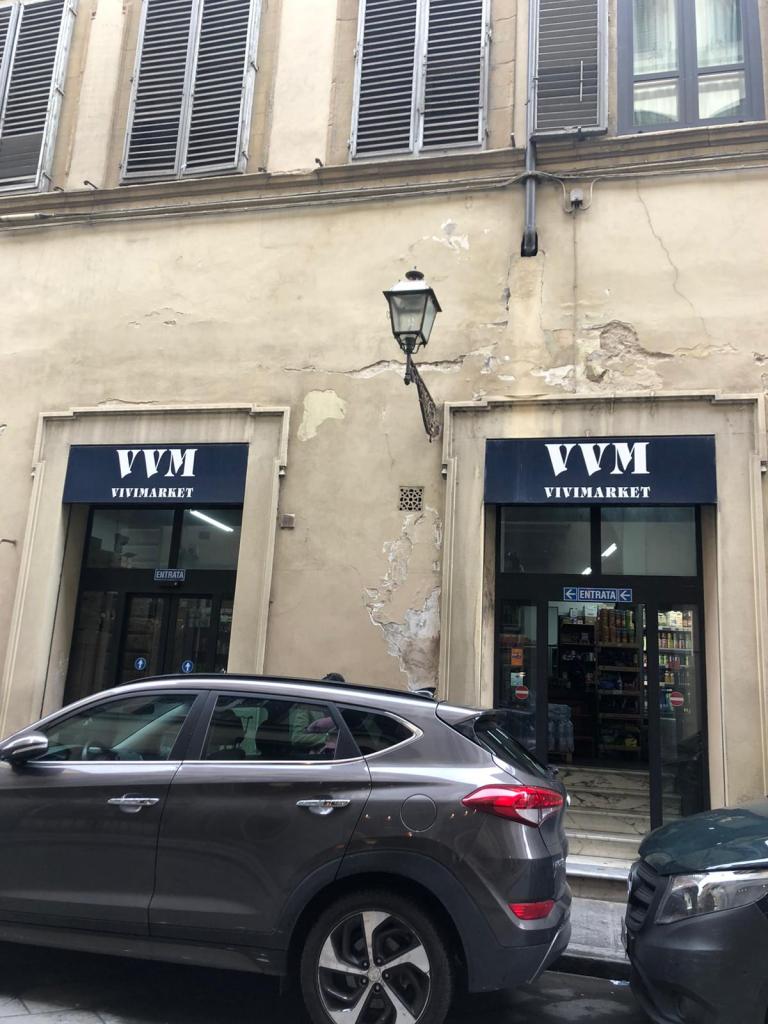
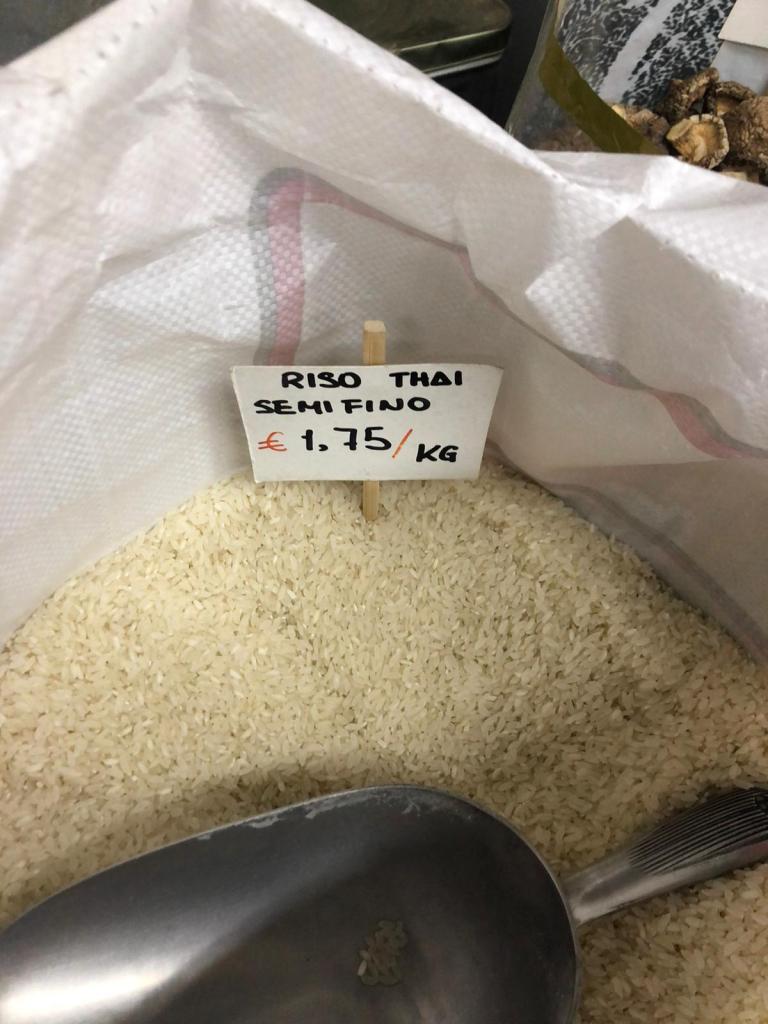
The first thing I noticed when I started grocery shopping here was how conveniently cheap everything was. Normally on Mondays after First-Year Seminar, I go to the International market, AKA VV Market, to get certain foods that I can’t find anywhere else. POCKY sticks, Li hing mui seed, lemongrass, coconut milk, bamboo shoots, rice noodles, and RICE. Switching rice out of this Hawaii girl’s diet is not that easy, so I make sure to have at least 2 cups of rice just in case I’m in need of some comfort food. Measuring my own rice was something different for me and I was always ashamed to ask for help, but now I find it fun. FUN FACT: The garlic at VV Market is the largest and cheapest in all of Florence. 1 euro for 3 palm-size garlic.

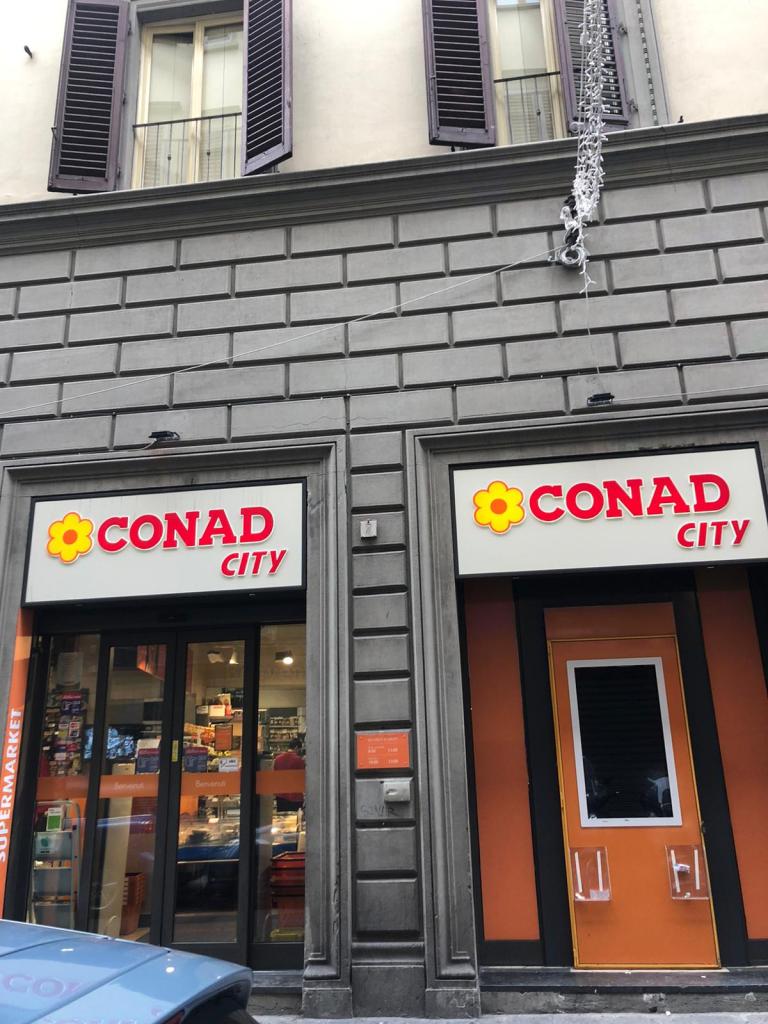
Then I go to the nearby Conad, where I get most of my groceries. The workers have begun to recognize me and give me discounts. They’re really nice and challenge me to speak more Italian. I normally make a setlist of what to get, but I always return home realizing I forgot something. A typical list consists of pasta, cheese, bread, sauce, eggs, granola, yogurt, orange juice, potatoes, and all types of veggies. I would like to make my way out to the markets but I get lazy and settle with Conad veggies. They’re not so bad. I’ll typically buy something different every time just to give it a try.

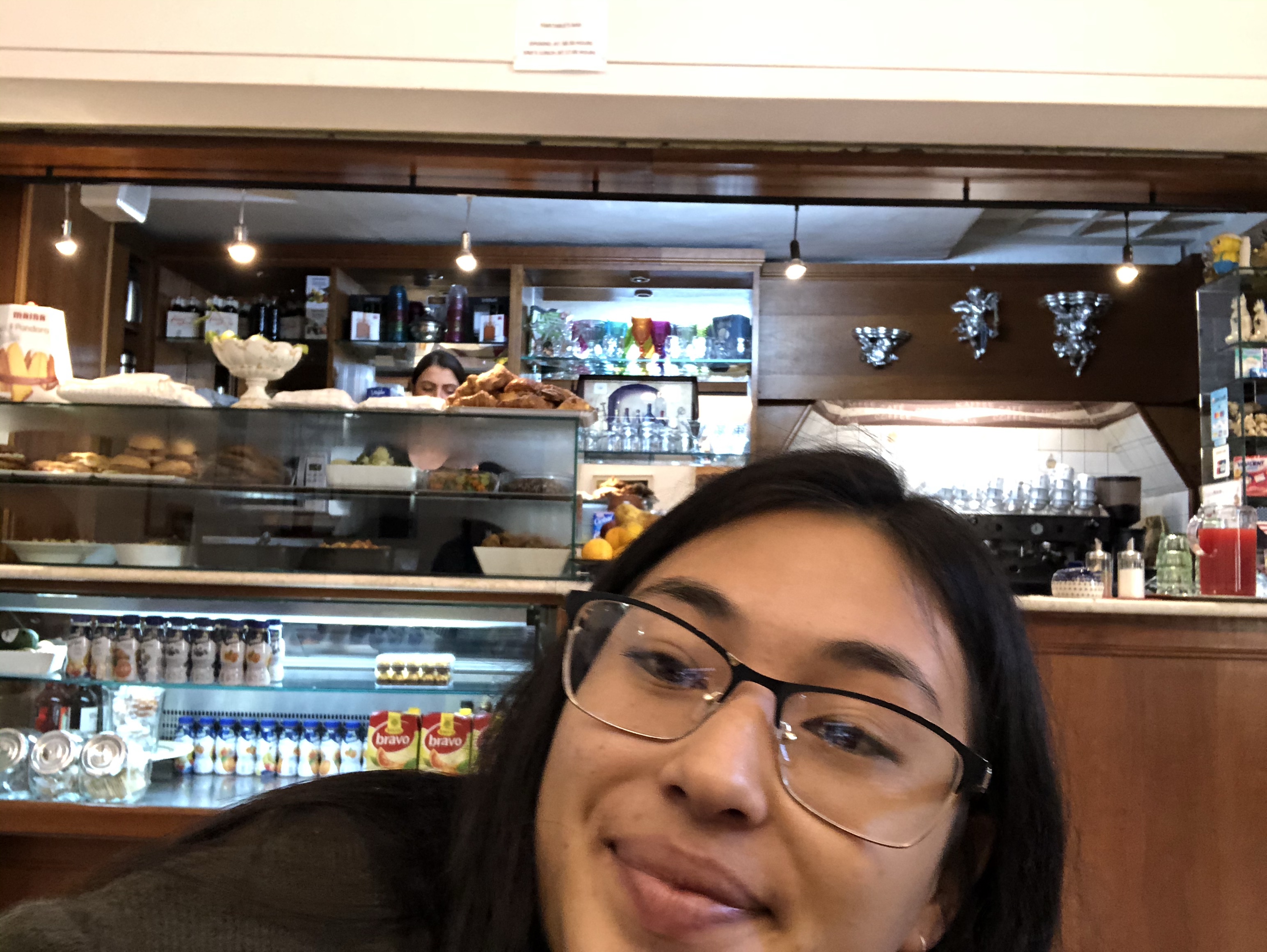
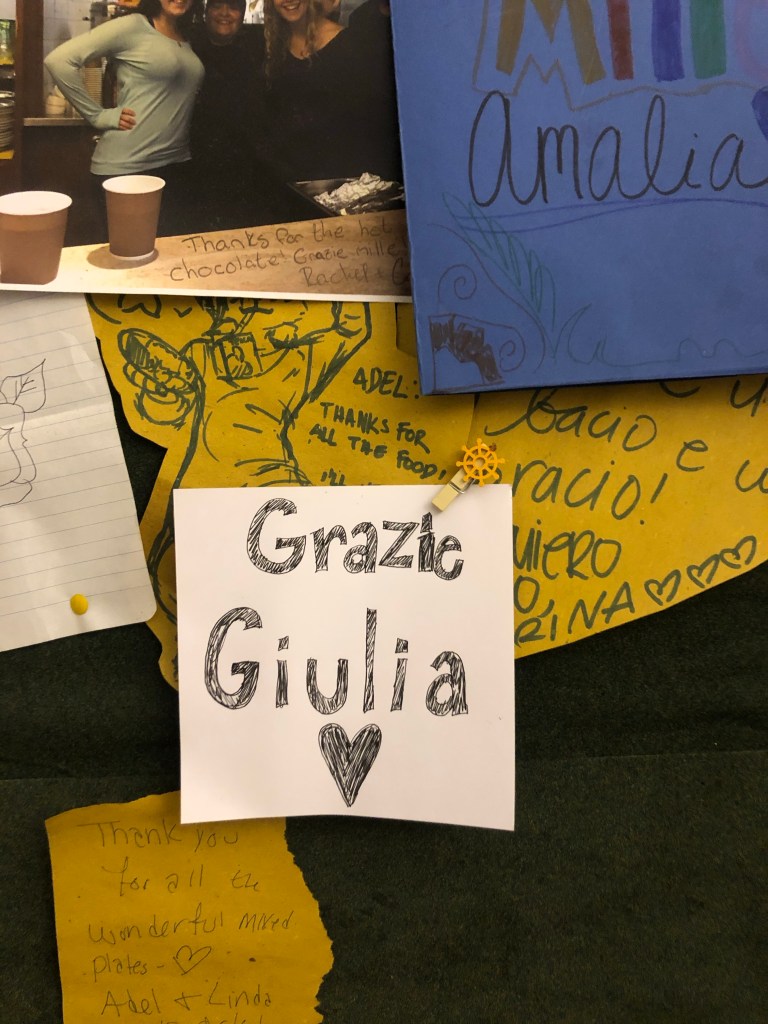
My grocery routine has me set for breakfasts, weekends, and dinners. Since I have a meal plan for the dining services of LDM, and I need to use it all before next semester because they won’t take my card next semester, I have lunch every day at LDM. There are a total of 3 servers Giulia , Amalia, and, Adel. They are not always in the best mood, but when I asked them ‘Come Stai’ their entire aurora changes. They are lovely people who like to challenge students to speak Italian. They all know what my typical mixed plate is; mixed pasta with chicken, veggies, and potatoes. Whenever there’s something new they make me try it which I appreciate. They always have free pastries, fruits, juice and bruschetta for everyone. Also, their chocolate ice cream is my absolute favorite. There’s a slight family feeling I feel dining there every day.

Unfortunately, I won’t have the meal plan next semester so ill be missing the convenience of the mixed plates, but it’ll give me the chance to fulfill my dream of meal prepping. I’ll still probably go to LDM dining services to say Ciao once in a while, do work, and partake in their free offerings. Living on my own for the past few months, I have never cooked so much in my life. I’ve learned what satisfies me, what I don’t necessarily NEED to buy (like entire jars of Nutella every week), and that I truly enjoy cooking. 🙂

Food in the Middle Ages

Got Meat?

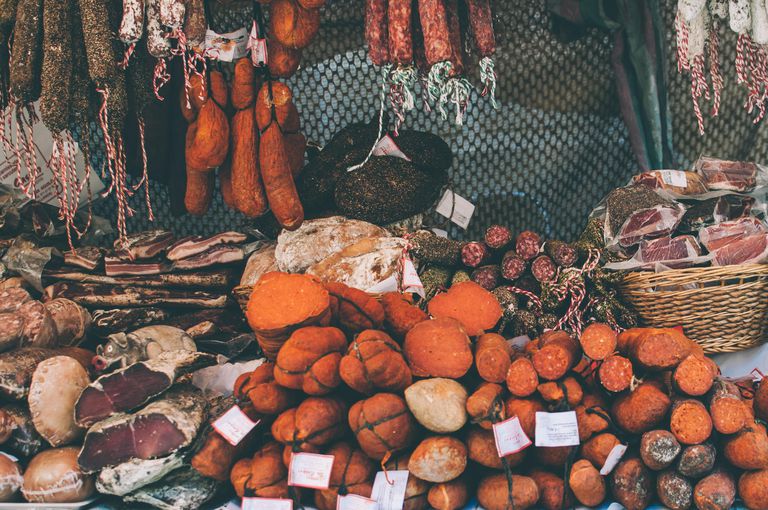
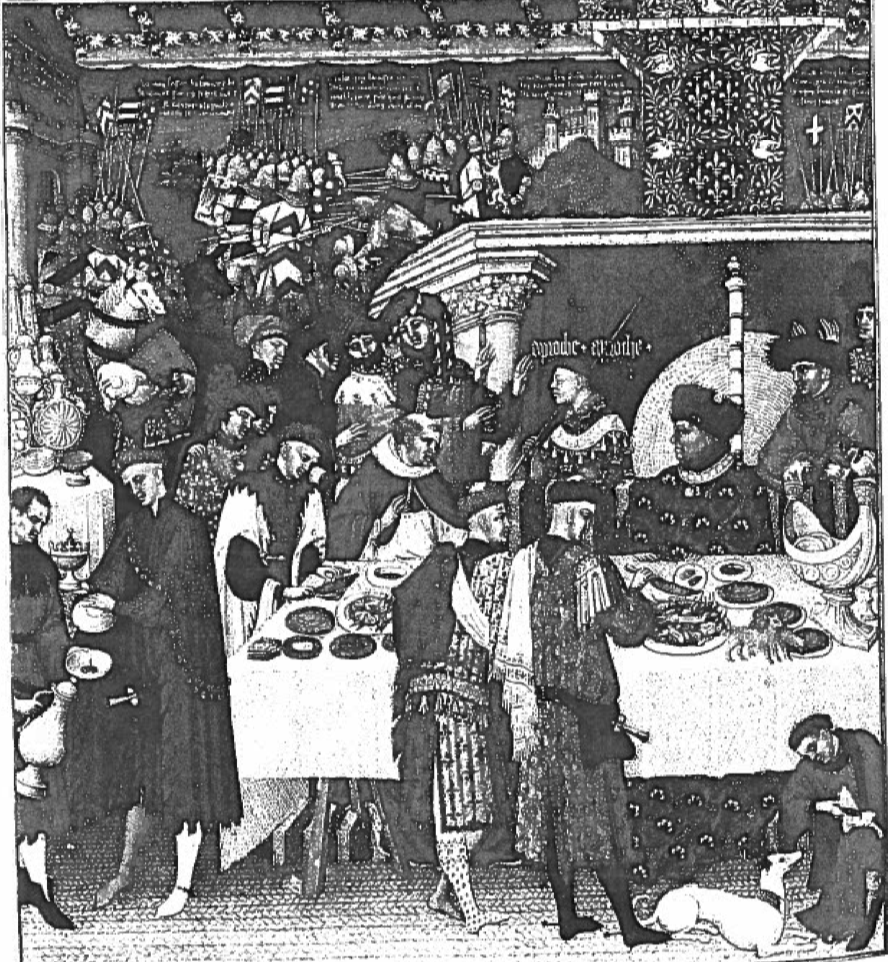
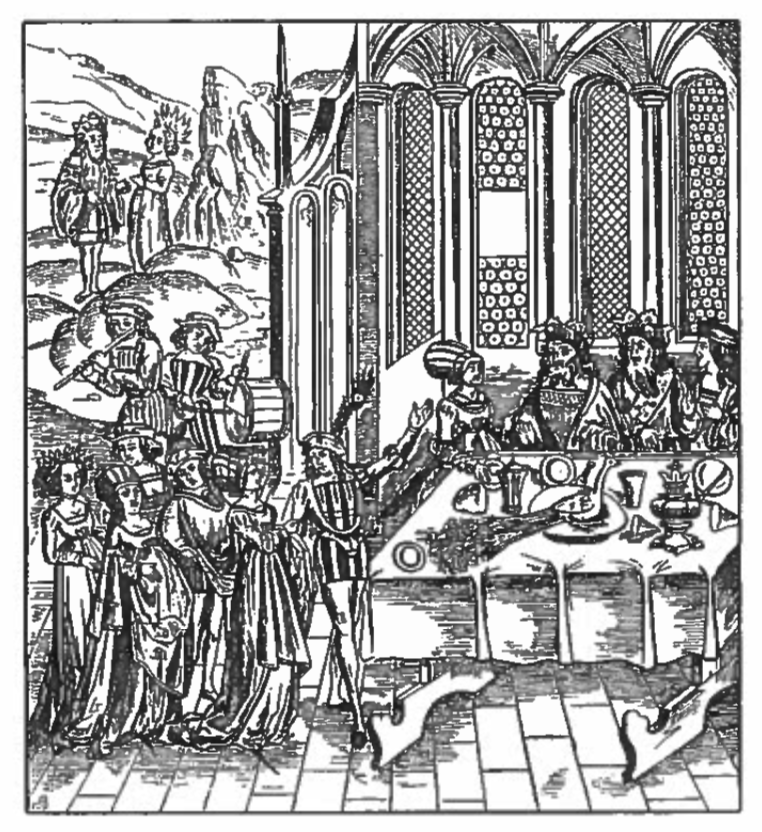
The works of Massimo Montanari and Woolgar explained the process of food and food culture in the middle ages. The Roman nutritional ideology was built around a triad of products: bread, wine, and oil. These products symbolized a certain idea of a civilization bound in both the Greek and the Roman worlds, to agriculture as a means of production, which characterizes humans. Separating themselves from the world of nature and animals, humans have constructed their artificial existence by inventing techniques for exploiting the natural environment, which they ultimately transformed. Herding and hunting became activities of production, however, meat was slow to acquire high, completely positive standing because it was associated with a way of exploiting the land that was seen as more natural and ”less civilized.” People who lived primarily on hunting, making the meat the core of their diet, was there for seen as “uncivilized”. Eventually, those “uncivilized” and “barbarian” people conquered the lands and became the rulers of the new Europe. Due to their power, their alimentary ideology gave meat primary status and became apart of the normal diet. 

“Among all the things that nourish man, meat is the one that nourishes him the best, fattens him and gives him strength.”

– Aldobrandino da Siena (13th century)

Meat is the best food suited to human nutrition and the best of the tastiest of foods. In this complex matter of food, the social image and political image played an important role in the medieval culture that was associated with the consumption of meat. If meat was the ideal strength-giving food, then it was the ideal food of power by an implicit exchange between the two, which medieval culture took for granted. Meat is the food of the warrior, who builds up his strength, thereby justifying his right to command. Little by little the consumption of meat became socially diversified, above all, in terms of quantity. Peasants always ate less of it. Meat became the symbol of the “lifestyle of nobility.” 

The spread of Christianity played a notable role in cooperating “fish culture” in the middle ages. The church introduced the obligation to abstain from meat for a certain number of days during the week and the year, also through a tradition known as Lent. The church required this practice of humility that placed the needs of the spirit above those of the body, denying the body its specific nutrient for the purpose of “loosening ties” with the physical world. It was, therefore, necessary to find alternative foods for those days and periods of the year. Fish has always been eaten, out of need or choice, but on the whole, the collective imagination has always regarded it with diffidence. Fish became a symbol of humility, renunciation, and mortification, but remained a product not easily found and not easily transported or preserved. For this reason, fish became a luxury product. Fish was labored to achieve a positive nutritional value. It was eaten and even abundantly, but culturally it remained a surrogate for meat.

Montanari: Medieval Tastes

Woolgar: Feasting and Fasting: Food and Taste in Europe in the Middle Ages

The Perfect Way to Cure a Hangover

– Restaurant Review for Tang –

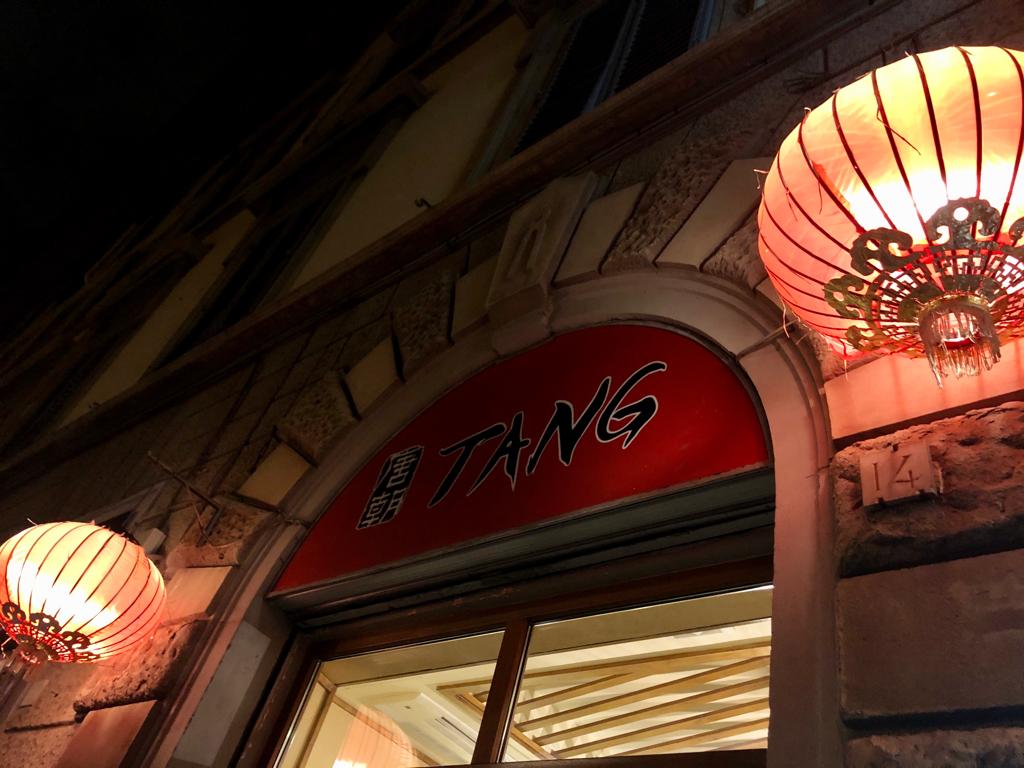
Via Ventisette Aprile, 14/red, 50129 Firenze FI
 055 483435

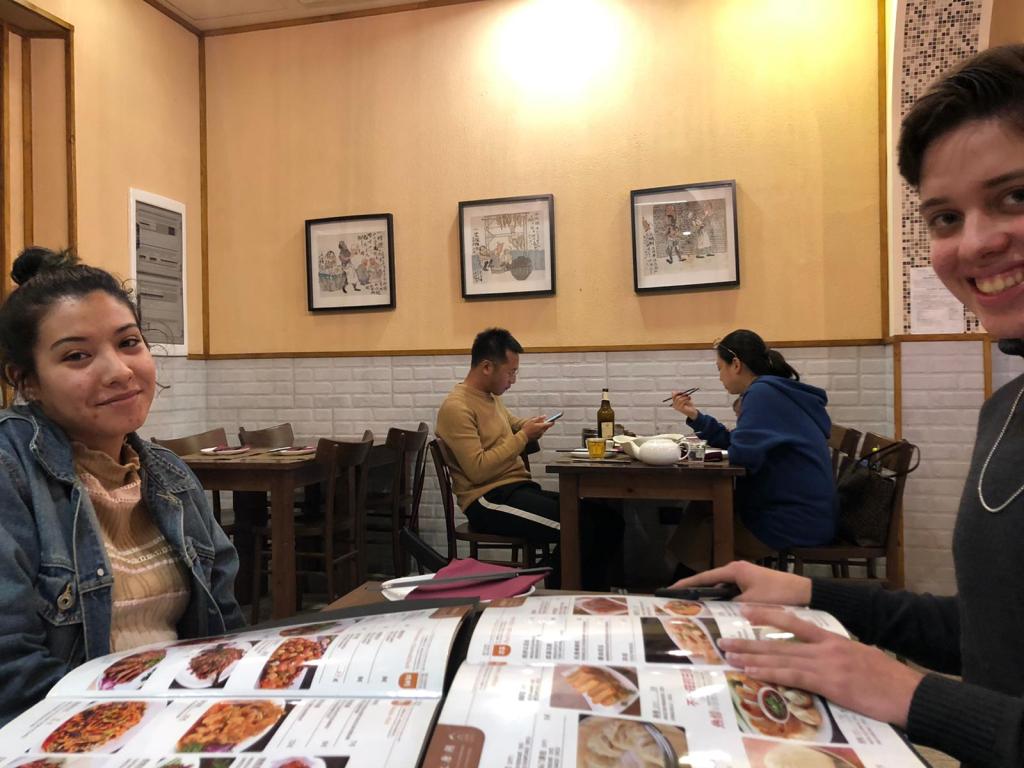
After a night of Halloween festivities and birthday celebrations, you can say the next morning was a bit rough. I woke up around 11 in the morning with a mild headache and a growling stomach on my friends’ couch. Although I did not remember how I ended up there I did, however, remember that I had a date night with my amici at Tang.

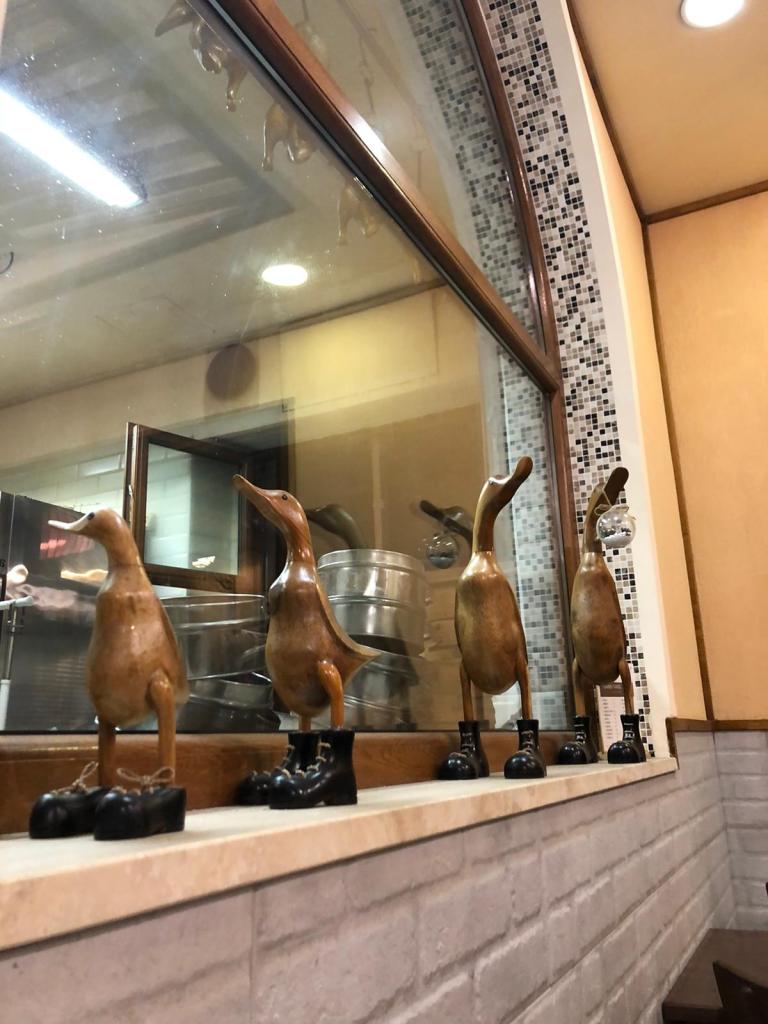
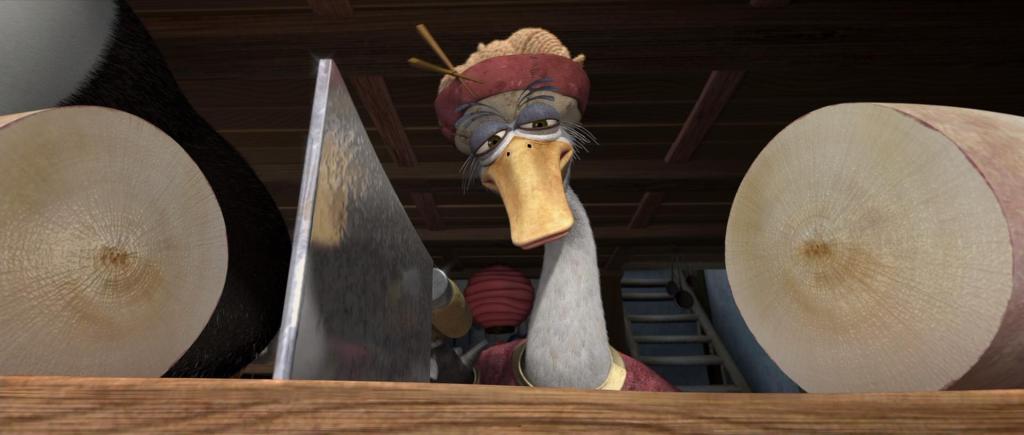
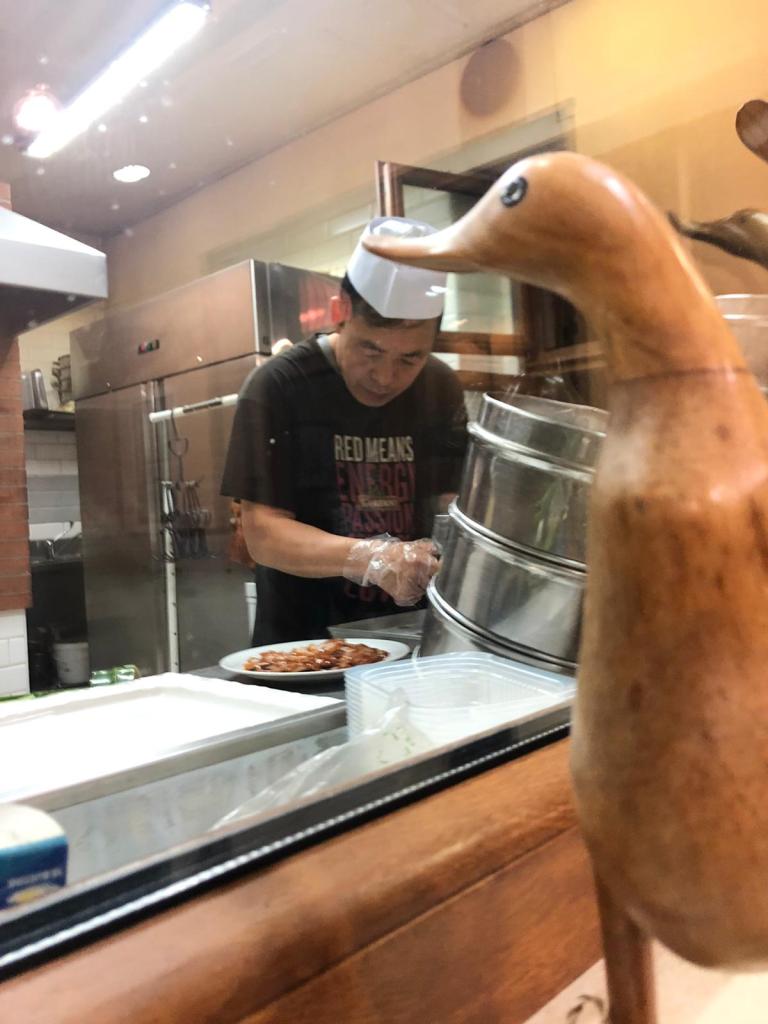
I remember my mother talking about the perfect way to cure a hangover… my grandmothers’ miso soup. Luckily, Tang is a typical Chinese cuisine destined to have all forms of soup. As we entered through the lantern-lit doors, we were greeted and seated instantly with the beautiful view of the chef cutting up a duck. From hanging from the ceiling to decorating tables, there were ducks all over the place. This instantly reminded me of the father duck from kung fu panda. The ducks were not a distraction but rather an asset that gave this place its taste. Overall, the environment was warm and there was a familial aspect that was comforting.
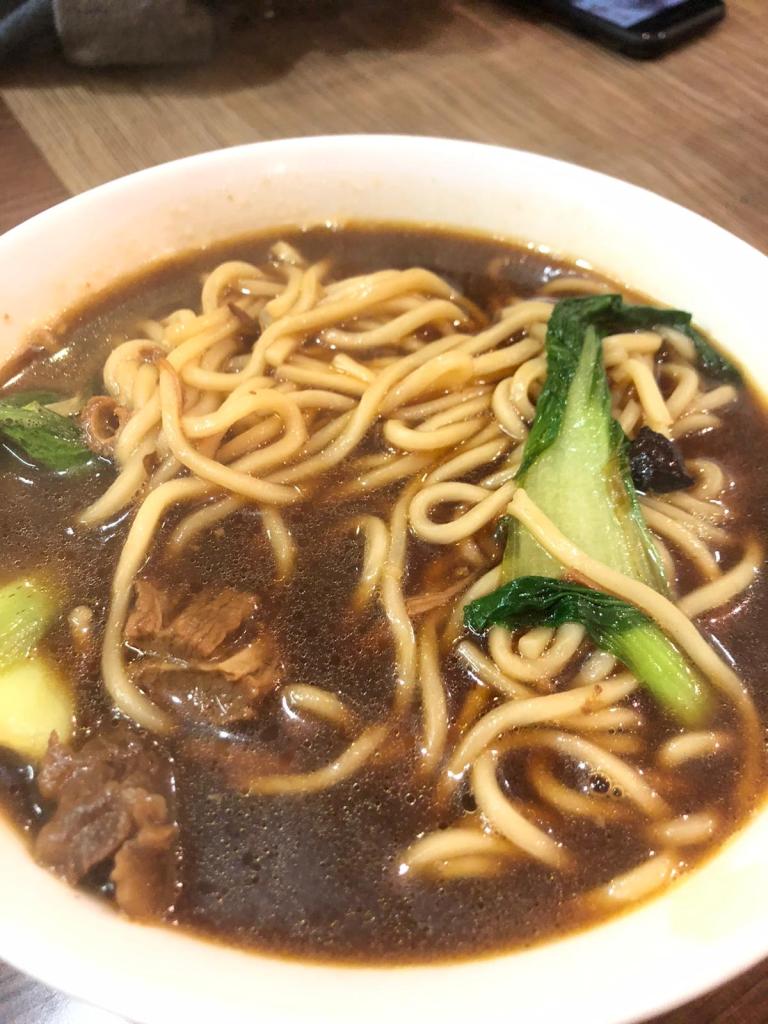
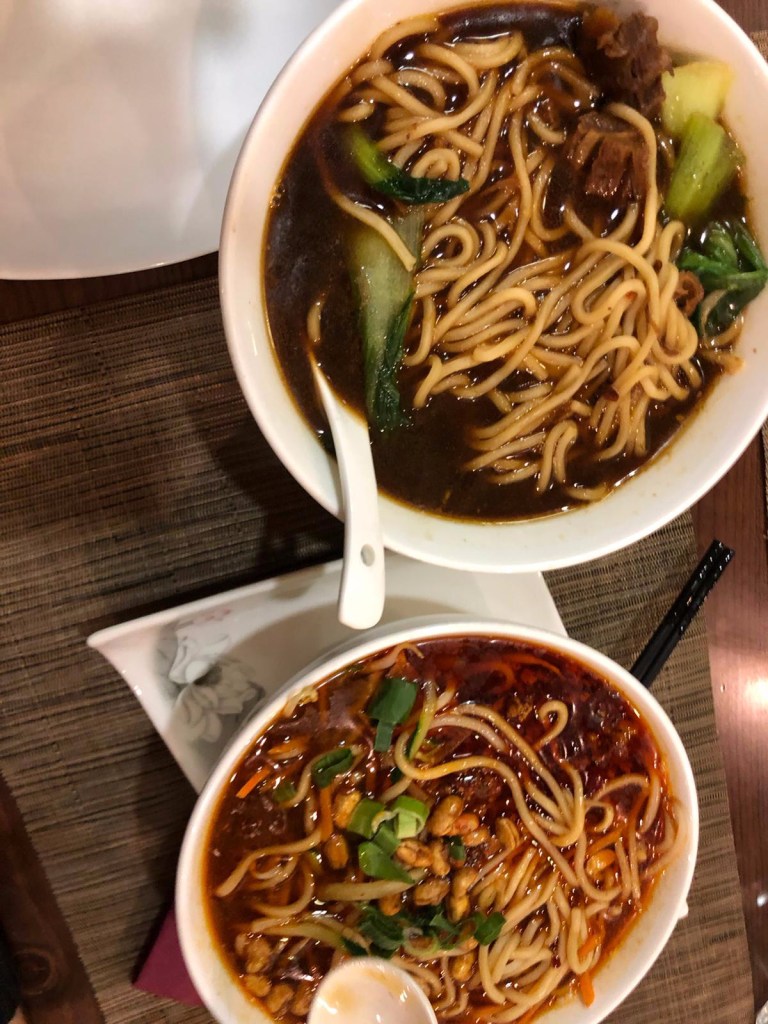
The first dish to come out was the Spaghetti In Brodo Con Manzo. It is a noodle soup with braised beef. This bowl was perfect for clearing my head and filling my belly. Within every bite, umami burst in all corners of my mouth. The bits of bok choy added the right amount of crunch and vitamins to the soup that I needed to stabilize my headache and regain my strength. I highly recommend this dish if you are craving something meaty but also light. 10/10 would get again.

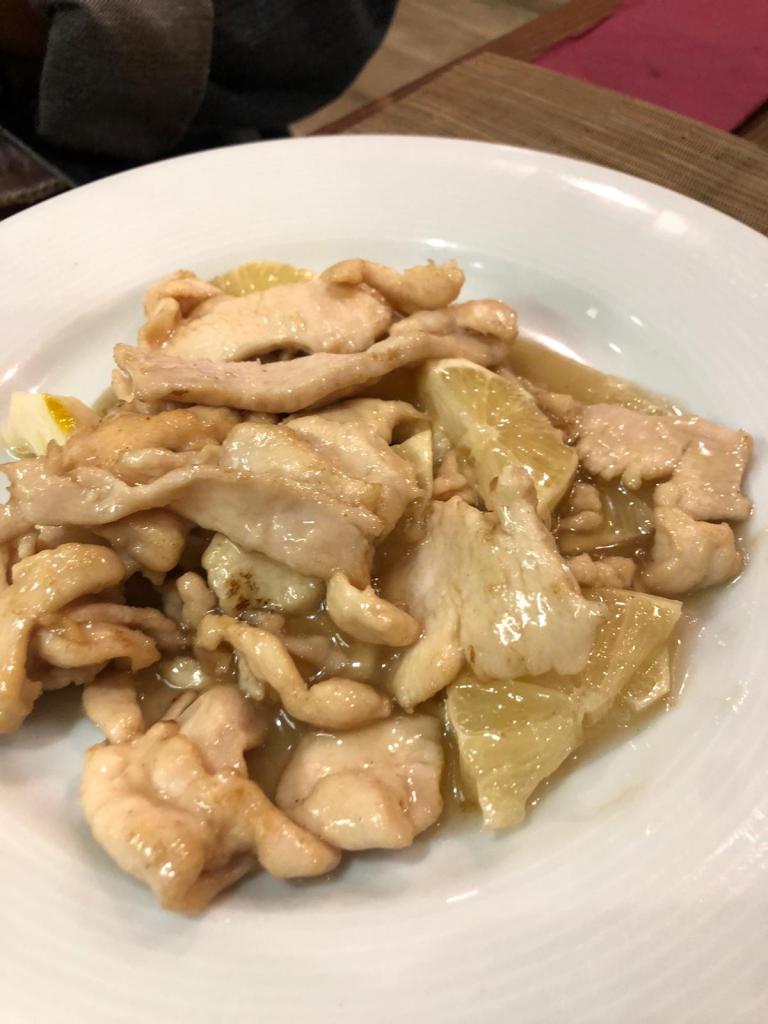
Now if you are craving something sweet but filling, I suggest the Pollo Al Limone (Lemon Chicken) This was my first time trying the lemon chicken and I didn’t know what to expect. This dish brought sweet and sour sensations in different places of my mouth, and I enjoyed it. 

The Spaghetti Con Ragù Cinese In Brodo Piccante (The Sichuan Noodles With Peppery Sauce) was the dish that had us coughing up a storm but always going back for more. Within every bite, there was a different experience of vegetables, meat, and spices. The spice did not hit instantly but rather silently crept its way towards the back of my throat and then latched on to it. It was subtle, but after a while grew intensely. This dish was the dish to eradicate my dizziness, clear all my senses, and cleanse my soul. 

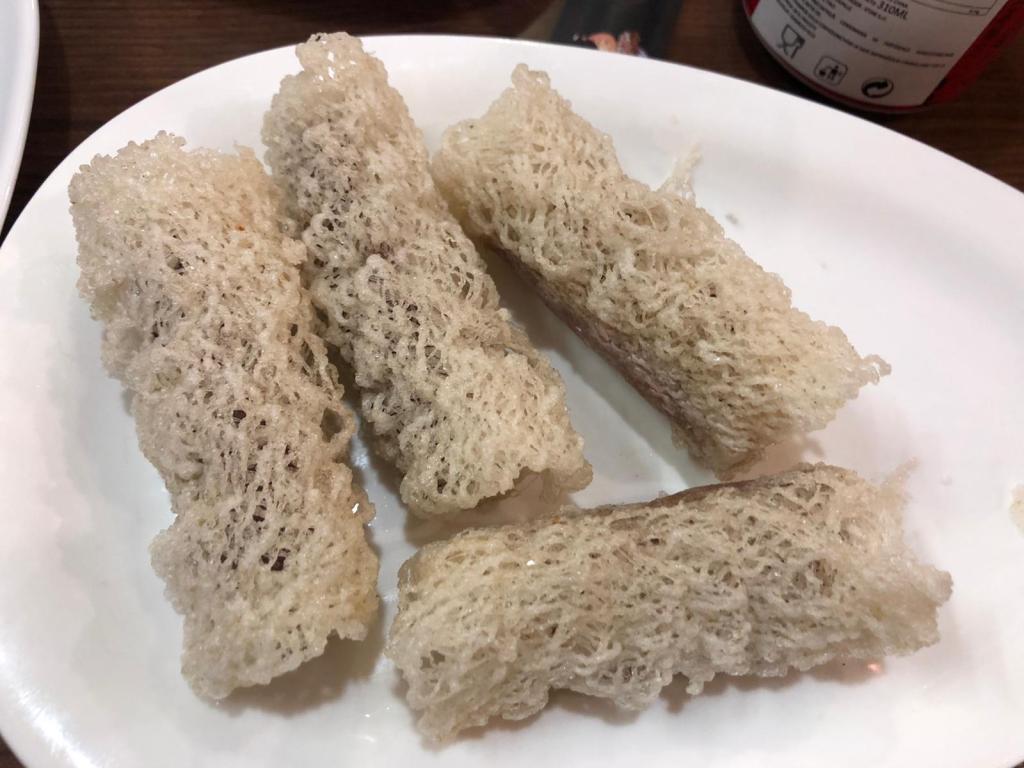
For dessert, we got Involtini Di Patate Dolci (Deep Fried Yam Roles). These finger long yam roles don’t look like a typical dessert but turned out to be my favorite thing of the night. The shell of the role was sweet and had a hint of coconut. When you bite into it, the mushy texture of the yam mixed with the crunchy exterior melts into your mouth. Its sense of nostalgia reminded me of a lot of poi mochi and I definitely would get again. 

Overall, I enjoyed the experience I had a Tang and I am looking forward to returning soon. Everything on their menu looked magnificent, but unfortunately, we did not have the stomach space and budget to order everything. That being said, the pricing for each dish was fairly reasonable, especially when you can tell that they put work into their food. I can see myself going there for a quick lunch with friends or for a nice fulfilling diner. Now it’s not grandmas miso soup, but it still worked for me. Leaving the restaurant I felt satisfied and cured of my hangover 🙂

Design a site like this with WordPress.com
Get started